
Structuring the right capital stack is the difference between a deal that closes and one that doesn’t. Select Capital Funding provides hands-on capital stack advisory services for commercial real estate developers, investors, and sponsors — analyzing your deal, identifying the right capital at every layer, and structuring financing that maximizes your returns and gets your transaction to closing. Over 1,250 transactions closed. Nationwide.


If you've identified a project but aren't sure how to structure the financing — which layers to use, where to find them, and how to negotiate terms — capital stack advisory provides the roadmap from deal analysis to closing.
Deals that require senior debt, mezzanine, preferred equity, and LP capital simultaneously benefit from advisory coordination — ensuring each layer is sourced from the right provider and structured to work cohesively.
When your senior debt and existing equity don't cover the full deal cost, advisory services identify and place the missing capital layer — whether mezzanine, preferred equity, GP co-invest, or a stretch senior solution.
When an existing deal needs a new capital structure — to resolve a maturing loan, buy out a partner, address a covenant breach, or reset the stack after market changes — advisory services design and execute the recapitalization.
Before approaching capital sources, advisory services analyze your deal economics, identify the right leverage and equity targets, and prepare a financing narrative that maximizes your credibility and negotiating position.
Advisory services model the waterfall at different leverage and cost-of-capital scenarios — identifying the optimal stack structure that maximizes GP promote, sponsor returns, and LP economics simultaneously.
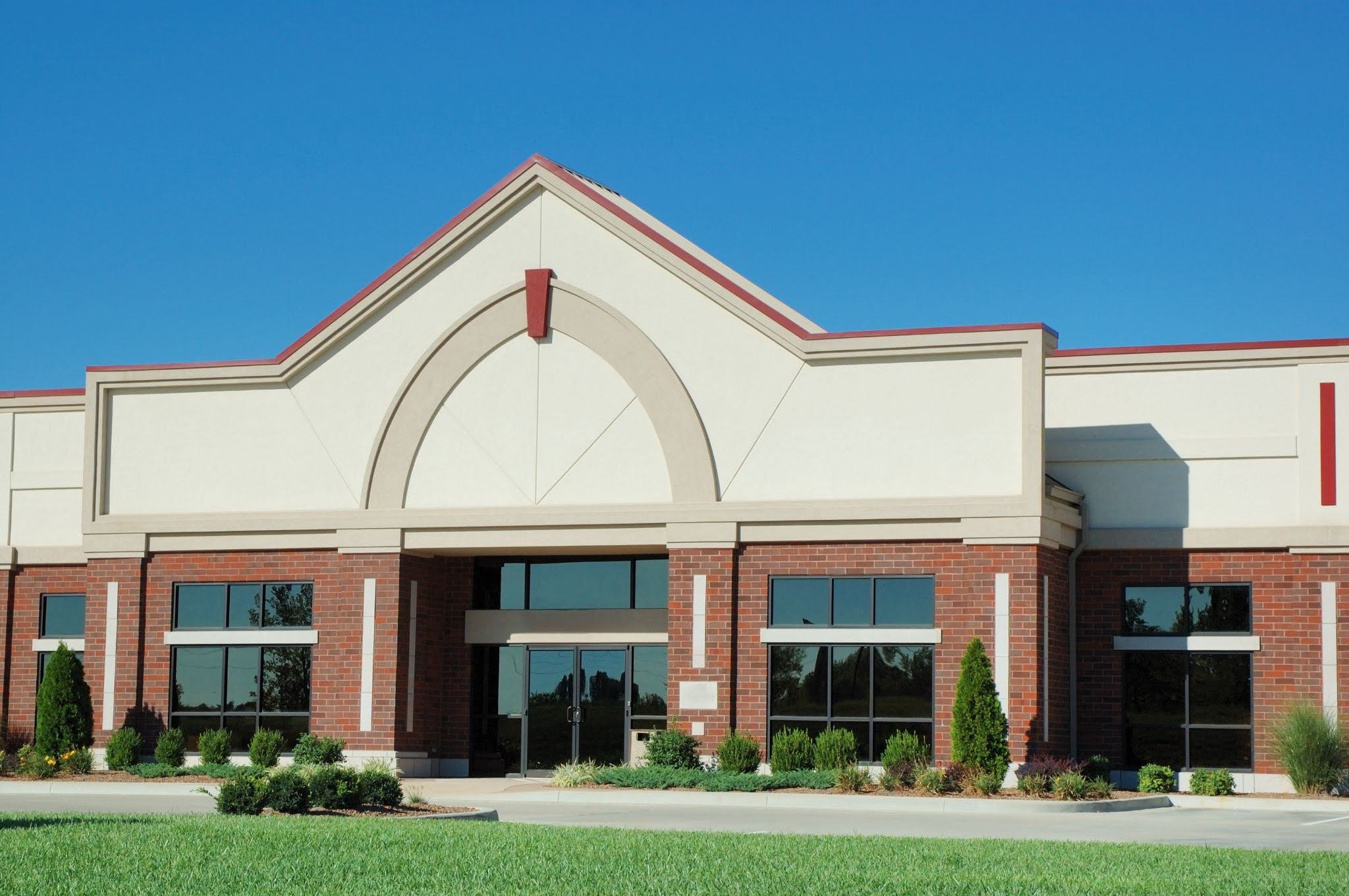
Advisory for the equity layer of your capital stack — GP co-investment capital, preferred equity placement, and mezzanine structuring designed to fill the equity gap and preserve your promote.

Advisory and placement of private capital financing for commercial real estate acquisitions, bridge scenarios, and transitional assets — structuring the senior layer of your capital stack fast and efficiently.

Structuring and placement of non-recourse bridge financing for acquisitions, value-add deals, and transitional commercial assets — designed to protect personal assets while closing complex transactions.

Advisory structuring for ground-up construction financing — designing draw schedules, analyzing LTC, and identifying the right private construction lender for your residential or commercial development.

Advisory and placement of stretch senior financing — higher-leverage first-lien structures that consolidate what would otherwise be a senior plus mezzanine two-loan stack into a single, streamlined instrument.
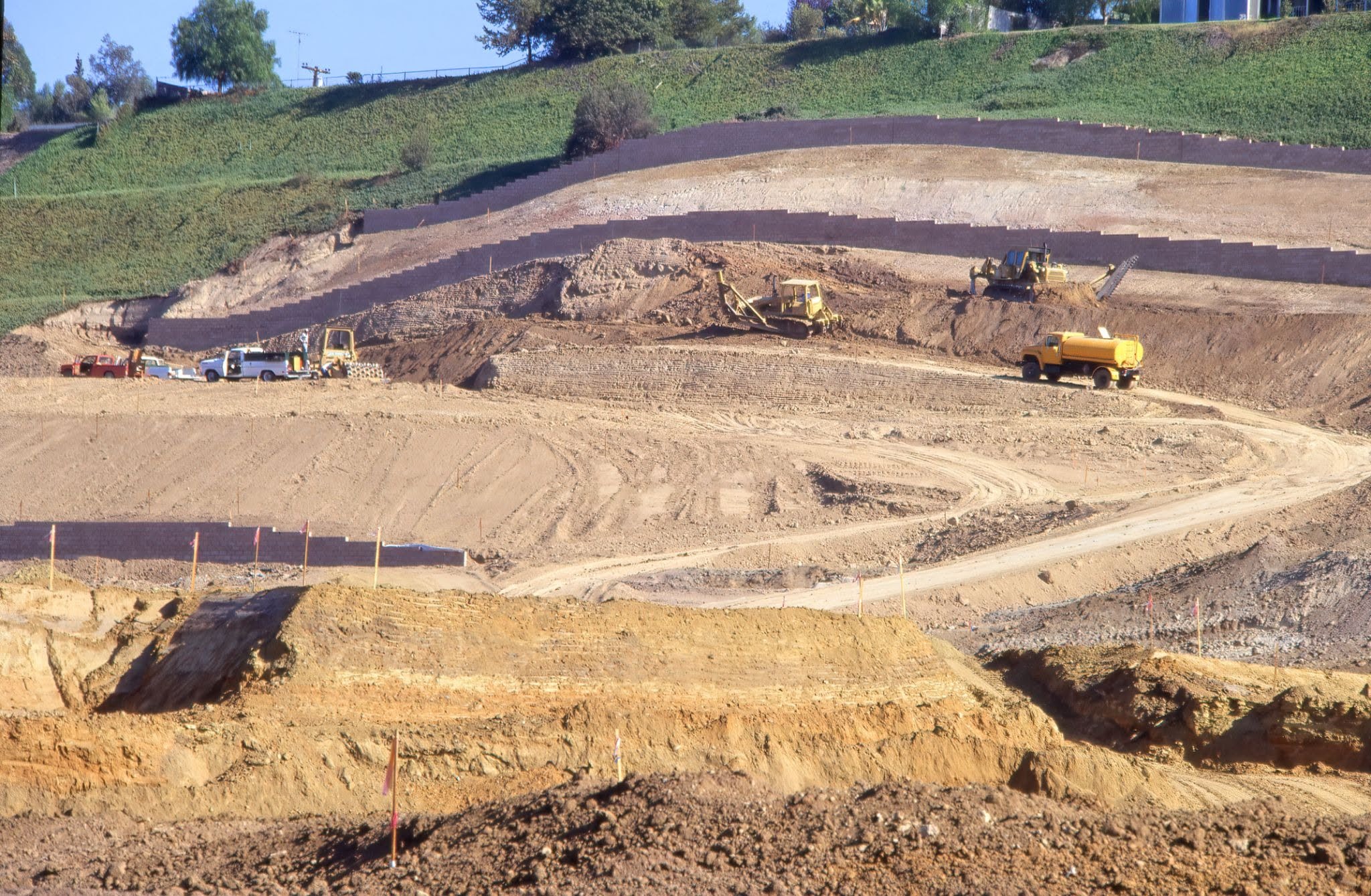
Structuring and placement of A&D financing for land acquisition and horizontal development — analyzing LTC, draw schedules, and exit strategy to align the capital structure with your development timeline.
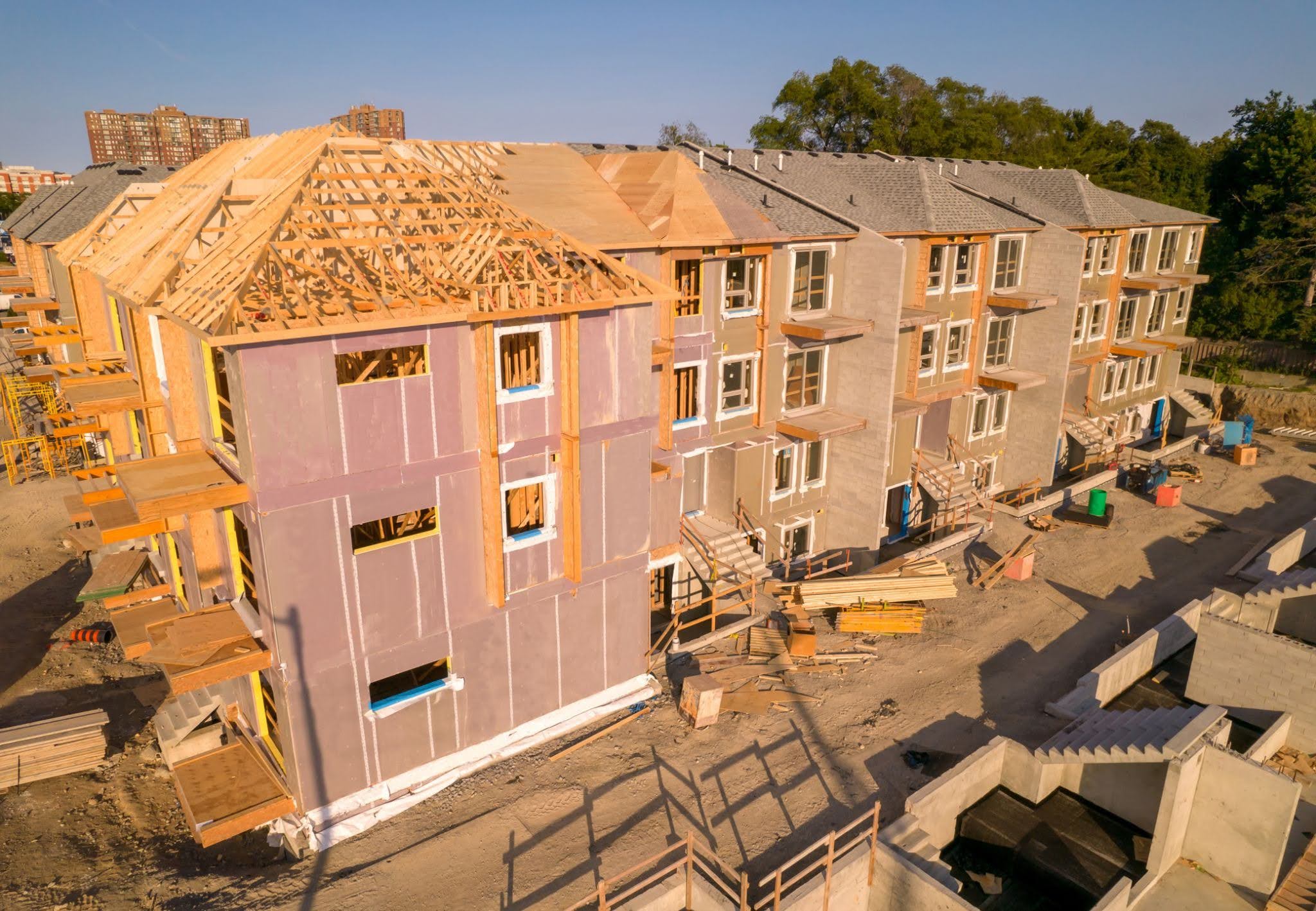
Advisory for BTR development capital stacks — from construction financing through lease-up to DSCR permanent loan placement — structured around your BTR investment thesis and long-term hold strategy.
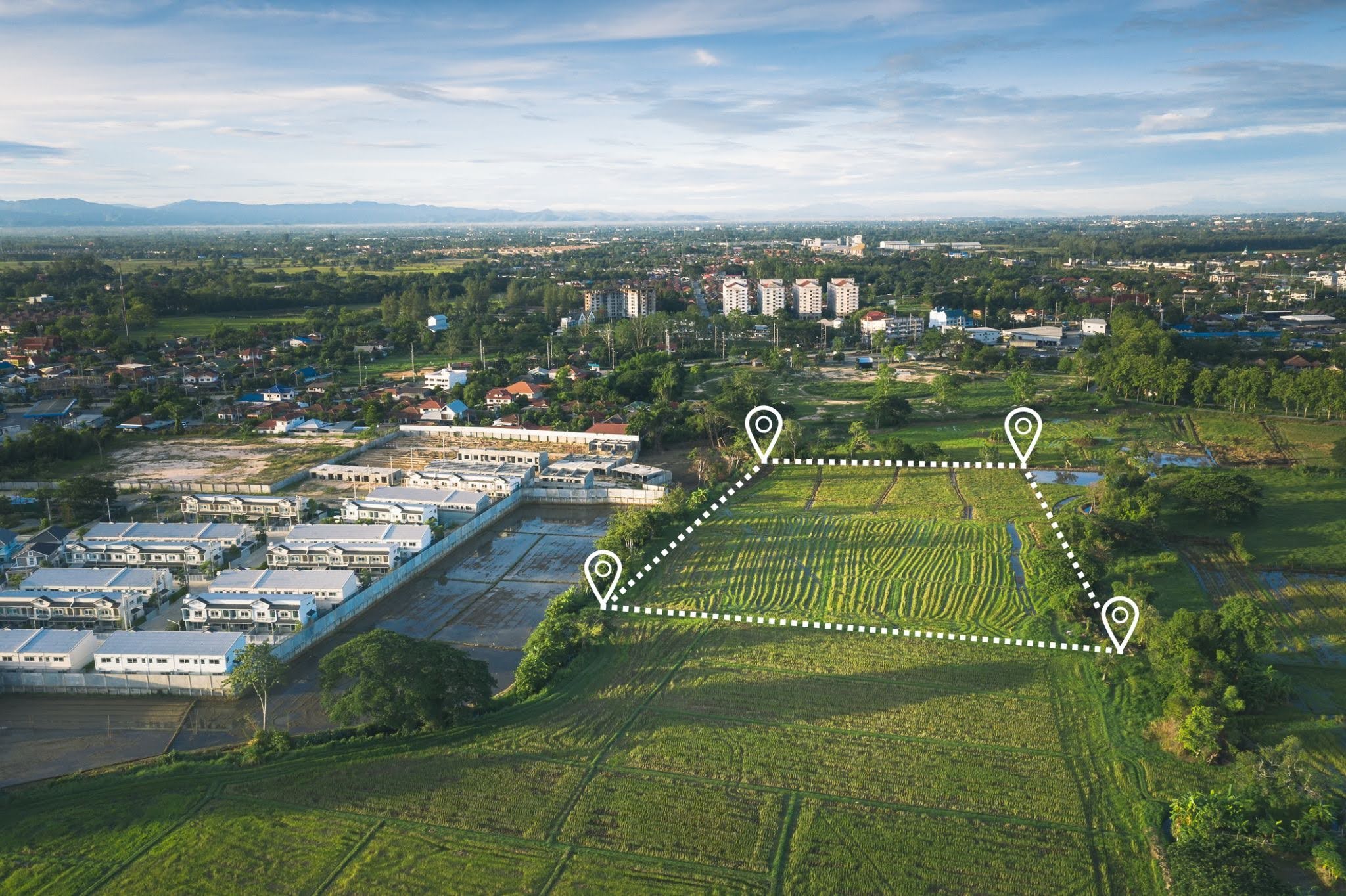
Advisory for land acquisition financing — structuring the right commercial land loan, exit strategy, and downstream development financing plan for raw, unimproved, and pre-entitlement land parcels.
Submit your deal — property type, capital stack requirements, equity gap, return targets, and business plan. We analyze the deal economics and identify the optimal capital structure on same-day turnaround.
We design the right capital structure for your deal — identifying the correct layers, sourcing the best capital providers at each tier, and modeling the waterfall to ensure your returns are maximized at the target leverage.
We engage our network of senior lenders, mezzanine providers, preferred equity sources, and LP equity partners — making targeted introductions and negotiating on your behalf to secure the best available terms.
We review all incoming term sheets across every layer of your stack — advising on terms, comparing structures, and negotiating provisions that protect your economics and align with your deal objectives.
We coordinate the closing process across all capital providers — managing the intercreditor dynamics, documentation sequencing, and timing to ensure your deal closes efficiently and on schedule.


| Feature | Navigating the Capital Stack Alone | With Capital Stack Advisory |
|---|---|---|
| Capital Structure Design | Based on limited knowledge of available options | Optimized for the specific deal and current market |
| Access to Capital Sources | Limited to existing lender relationships | Broad network across debt, equity, and hybrid capital |
| Leverage Optimization | Risk of over-leveraging or leaving money on the table | Right-sized for maximum risk-adjusted returns |
| Waterfall Structuring | Often suboptimal distribution of returns | Designed to maximize GP / sponsor economics |
| Intercreditor Complexity | Can stall or derail multi-party transactions | Managed by experienced advisory team |
| Market Intelligence | Limited visibility into current pricing | Current market terms across all capital layers |
| Time to Capital | Longer — multiple uncoordinated negotiations | Faster — coordinated placement across layers |
| Equity Gap Solutions | Gap may prevent the deal from closing | Systematic identification and placement of missing capital |
| Term Sheet Negotiation | Accepting lender terms at face value | Expert negotiation of every provision |
| Complex Deal Execution | May be unable to close multi-party structures | Full advisory support from structure through close |
A capital stack is the complete structure of financing used to fund a commercial real estate transaction. It represents all the financial layers that collectively cover the total cost of a deal — from the most senior debt at the top to the GP/sponsor equity at the bottom. Each layer carries a different risk profile, return expectation, and priority in the event of repayment or liquidation. The most senior capital (typically the first mortgage or senior loan) is repaid first, at the lowest rate, because it takes the least risk. The most junior capital (the sponsor’s equity) is repaid last and carries the highest return potential because it takes the most risk. Understanding and optimizing each layer of the capital stack is essential to structuring deals that close efficiently and deliver target returns.
Capital stack advisory services involve the analysis, design, sourcing, and structuring of the layered financing for a commercial real estate transaction. An advisor works with the developer or sponsor to assess the deal’s financing needs, identify the optimal capital structure across all layers (senior debt, mezzanine, preferred equity, LP equity, and GP equity), source and introduce the right capital providers for each layer, negotiate terms, and coordinate the closing of a multi-party financing structure. Unlike a single lender transaction — which addresses only one layer of the stack — capital stack advisory addresses the full deal structure with the goal of maximizing returns, minimizing risk, and ensuring the transaction closes successfully.
Getting a loan from a single lender addresses one layer of the capital stack — typically the senior debt. Capital stack advisory services look at the entire deal structure: how much senior debt is optimal, whether mezzanine or preferred equity is needed, how the LP equity should be structured, and how the GP/sponsor’s equity and promote are designed to maximize their return. An advisory engagement may involve sourcing and coordinating capital from multiple providers simultaneously — lenders, debt funds, equity partners, family offices — and ensuring that all the parts of the deal’s capital structure work together efficiently. The advisor’s value is in optimizing the full picture, not just closing one piece of it.
A waterfall structure in commercial real estate defines the order and method by which cash flows and profits are distributed among the deal’s investors and capital providers. At its simplest, the waterfall pays the most senior capital first — the lender gets debt service before any equity distributions — and then distributes remaining cash to equity investors in order of their priority position and return hurdles. In a typical LP/GP equity structure, the waterfall may specify that LP investors receive their preferred return first, then a return of capital, then a percentage of remaining profits — with the GP/sponsor receiving a disproportionately larger share (the promote) once certain return thresholds are exceeded. The waterfall design is one of the most consequential elements of a deal structure, directly determining how much each party earns from the investment.
A typical commercial real estate capital stack includes five layers, from most senior to most junior:
Senior Debt (60–70% of total capitalization): The first mortgage or first lien loan, typically from a bank, agency, or private lender. Lowest rate, lowest risk, highest repayment priority.
Mezzanine Debt (10–15%): Subordinate debt that sits behind the senior loan, typically secured by a pledge of the borrower’s ownership interest. Higher rate than senior debt, lower than equity.
Preferred Equity (5–10%): An equity position with a preferred return (paid before common equity) and potential profit participation. Not a loan but structured to behave like one in terms of priority.
LP Common Equity (10–20%): The limited partners’ equity investment, carrying a common return profile and upside participation above the preferred return threshold.
GP / Sponsor Equity (5–10%): The general partner’s or sponsor’s co-investment, plus their carried interest or promote — the disproportionate share of profits earned for finding, structuring, and managing the deal.
Capital stack advisory services are most valuable for: developers and sponsors structuring complex deals that require multiple capital layers simultaneously; first-time developers who are unfamiliar with the range of capital sources available and how to access them; experienced operators who want to optimize their deal structure to maximize GP economics or reduce blended cost of capital; anyone facing a capital gap or equity shortfall that is preventing a deal from closing; borrowers navigating a recapitalization, partner buyout, or maturing loan situation; and sponsors who want independent, experienced guidance on their deal structure before approaching capital markets.
The capital stack’s design directly determines how much every participant in the deal earns. Using too little leverage increases the equity required, diluting returns for equity investors. Using too much leverage increases cost of capital and risk. Poorly structured preferred equity or mezzanine terms can erode GP economics. An improperly designed waterfall can misalign LP and GP incentives or reduce the promote to which the sponsor would otherwise be entitled. A well-structured capital stack — right-sized leverage at the optimal cost, with a waterfall designed for the GP’s benefit above the preferred return threshold — can meaningfully increase returns for all parties relative to a suboptimally structured deal. This is the core value of advisory: optimizing the structure, not just finding the capital.
Recapitalization — or “recap” — is the restructuring of an existing deal’s capital stack. It typically occurs when a loan is maturing and needs to be refinanced, when a joint venture partner needs to be bought out, when a project’s performance has diverged from its original underwriting and the existing financing structure no longer fits, or when a sponsor wants to return equity to investors by refinancing into a new capital structure. A recapitalization may involve replacing the existing senior debt, adding a preferred equity layer, bringing in a new LP partner, or converting debt to equity. Capital stack advisory services are frequently engaged to design and execute recapitalizations — analyzing the current structure, identifying the right replacement capital at each layer, and coordinating the transition.
Debt — senior loans, mezzanine loans — represents borrowed capital that must be repaid with interest, regardless of whether the deal performs as expected. Debt holders are paid first in the capital stack waterfall and in any liquidation event, which is why they accept lower returns. Equity — preferred equity, LP common equity, GP equity — represents ownership interests that participate in the deal’s upside but are at risk of loss if the deal underperforms. Equity investors are paid after debt in the waterfall and are not guaranteed a return. The distinction matters for advisory because each type of capital has different risk tolerance, return expectations, decision-making timelines, and documentation requirements — and the advisor’s job is to match the right type and source of capital to each layer of the deal.
Preferred equity sits between mezzanine debt and common equity in the capital stack. It is technically an equity position — not a loan — but it is structured to behave like debt in important ways: it carries a preferred return (a defined rate of return that must be paid to preferred equity holders before common equity receives any distributions), it may have profit participation rights above the preferred return, and it has priority over common equity in the waterfall. Preferred equity is often used to bridge the gap between the available senior debt and the equity required for a deal — providing a middle layer of capital without adding a second mortgage lien (which many senior lenders prohibit through intercreditor restrictions on mezzanine debt).
Whether you’re structuring a first development, optimizing the returns on a complex multi-layer transaction, or recapitalizing a deal that needs a new financial structure — our team brings 1,250+ closed transactions and nearly two decades of deal structuring experience to every advisory engagement, nationwide.