
Access short-term, non-recourse bridge financing for commercial real estate acquisitions, value-add investments, and transitional properties. Select Capital Funding connects experienced borrowers with flexible non-recourse bridge capital — fast — when conventional lenders can’t move at the speed your deal requires.
Acquire underperforming or transitional commercial properties and execute improvement strategies without exposing personal assets to lender recourse.
Bridge the financing gap while stabilizing an asset — completing lease-up, renovations, or reaching target occupancy before locking in permanent financing.
Move quickly on competitive commercial acquisitions when a traditional lender's timeline isn't compatible with your closing window.
Refinance existing debt on a transitional or repositioned asset while preparing the property for a sale or permanent refinance event.
Secure bridge capital to complete a ground-up construction or renovation project before transitioning to long-term permanent financing.
Non-recourse structures are ideal for real estate funds, joint ventures, and syndicates that must protect limited partners and investor capital from personal liability.

Short-term non-recourse bridge financing for apartment communities and multifamily assets during acquisition, renovation, and stabilization.u

Bridge capital for office buildings, suburban campuses, and urban office assets in transitional or value-add scenarios requiring speed and flexibility.

Non-recourse bridge financing for experienced developers building residential and commercial projects from the ground up, with flexible draw structures and fast execution.

Fast, reliable bridge capital for investors acquiring and renovating residential properties, structured for speed, leverage, and repeat deal scalability.

Flexible non-recourse bridge financing for acquiring and repositioning underperforming assets across all commercial property types nationwide.
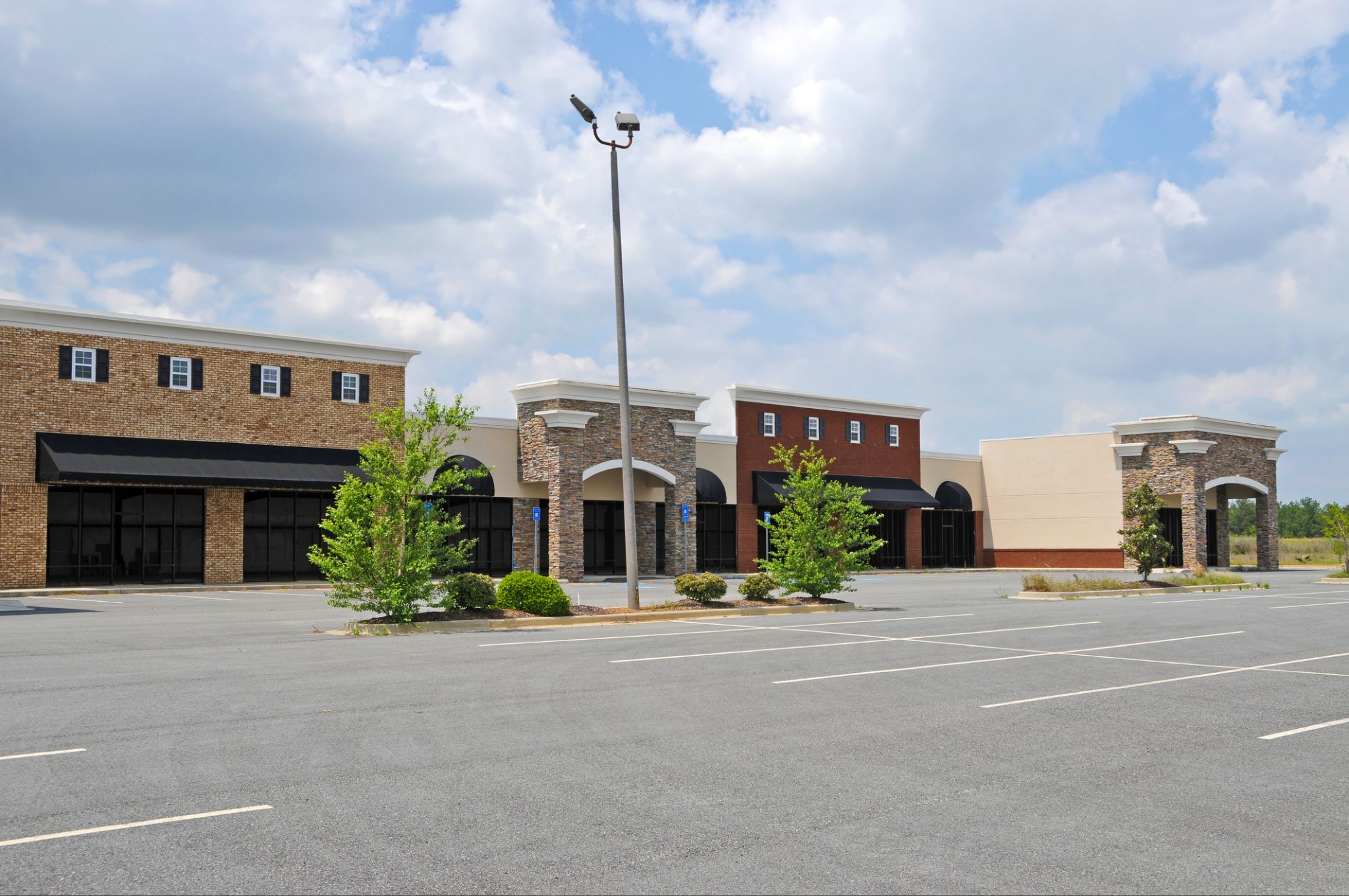
Short-term bridge capital for retail centers, strip malls, and mixed-use retail properties during acquisition, lease-up, or strategic repositioning.
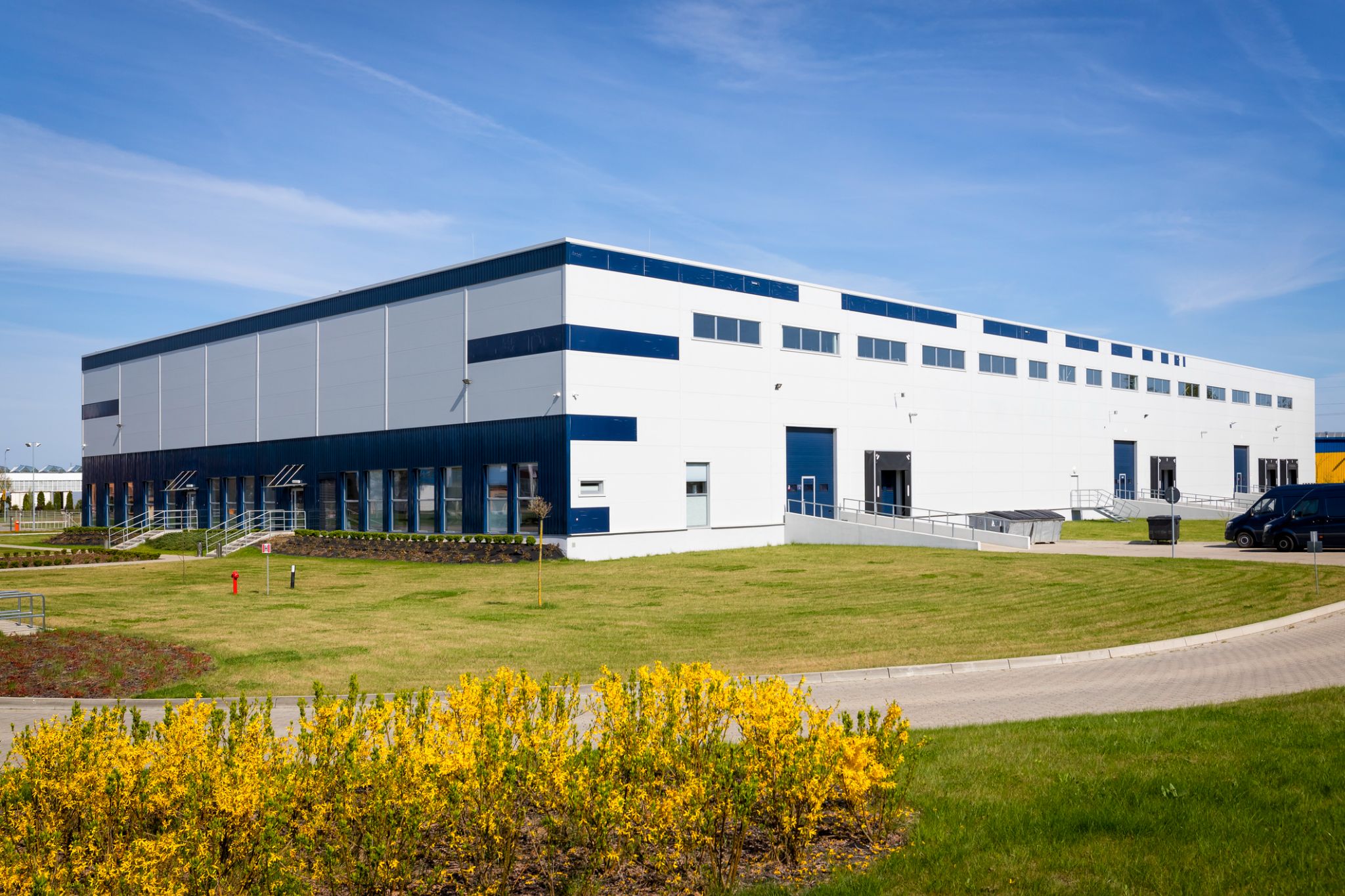
Short-term financing for industrial, warehouse, and logistics properties during transitional periods or while securing long-term permanent financing.
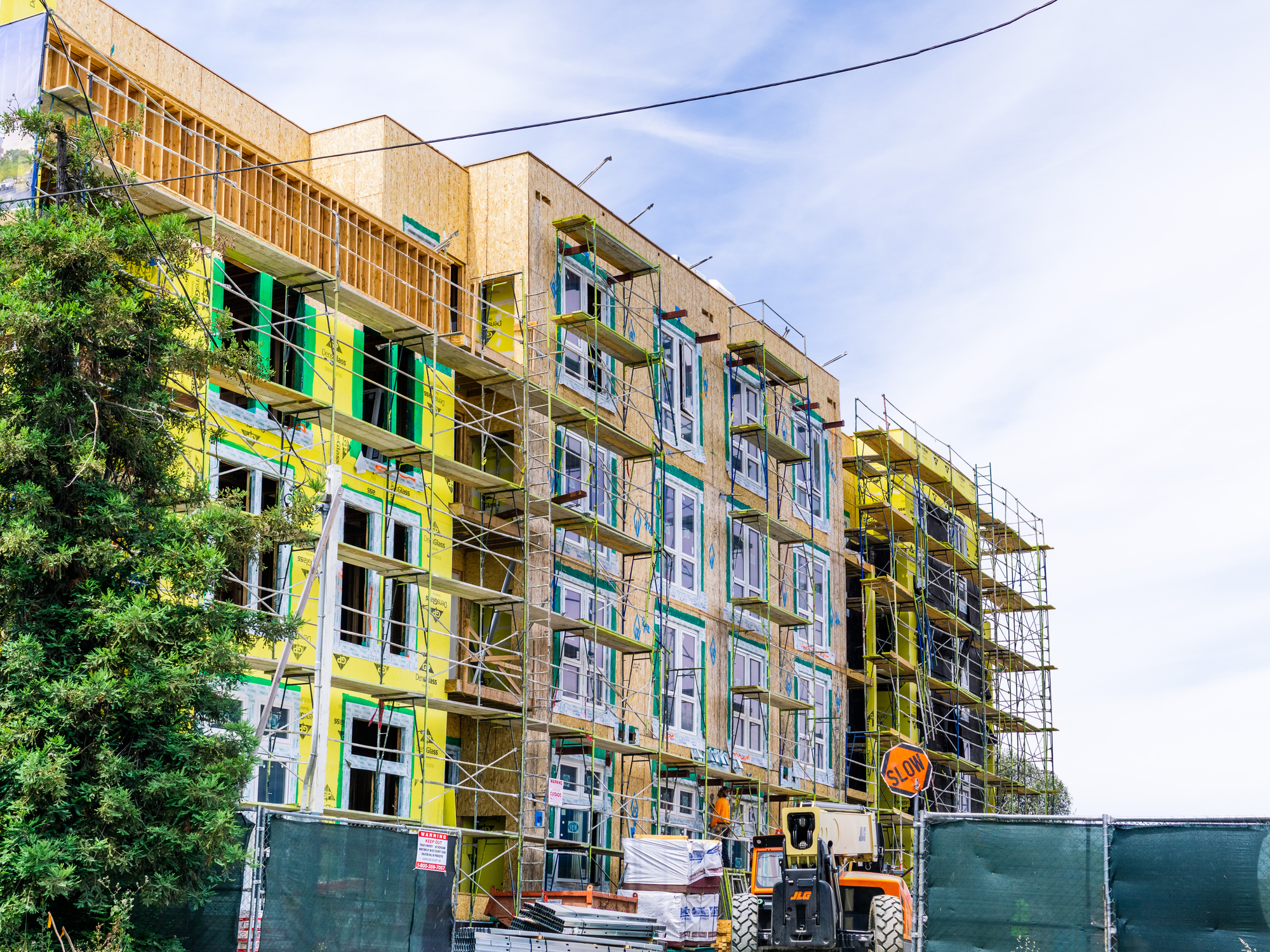
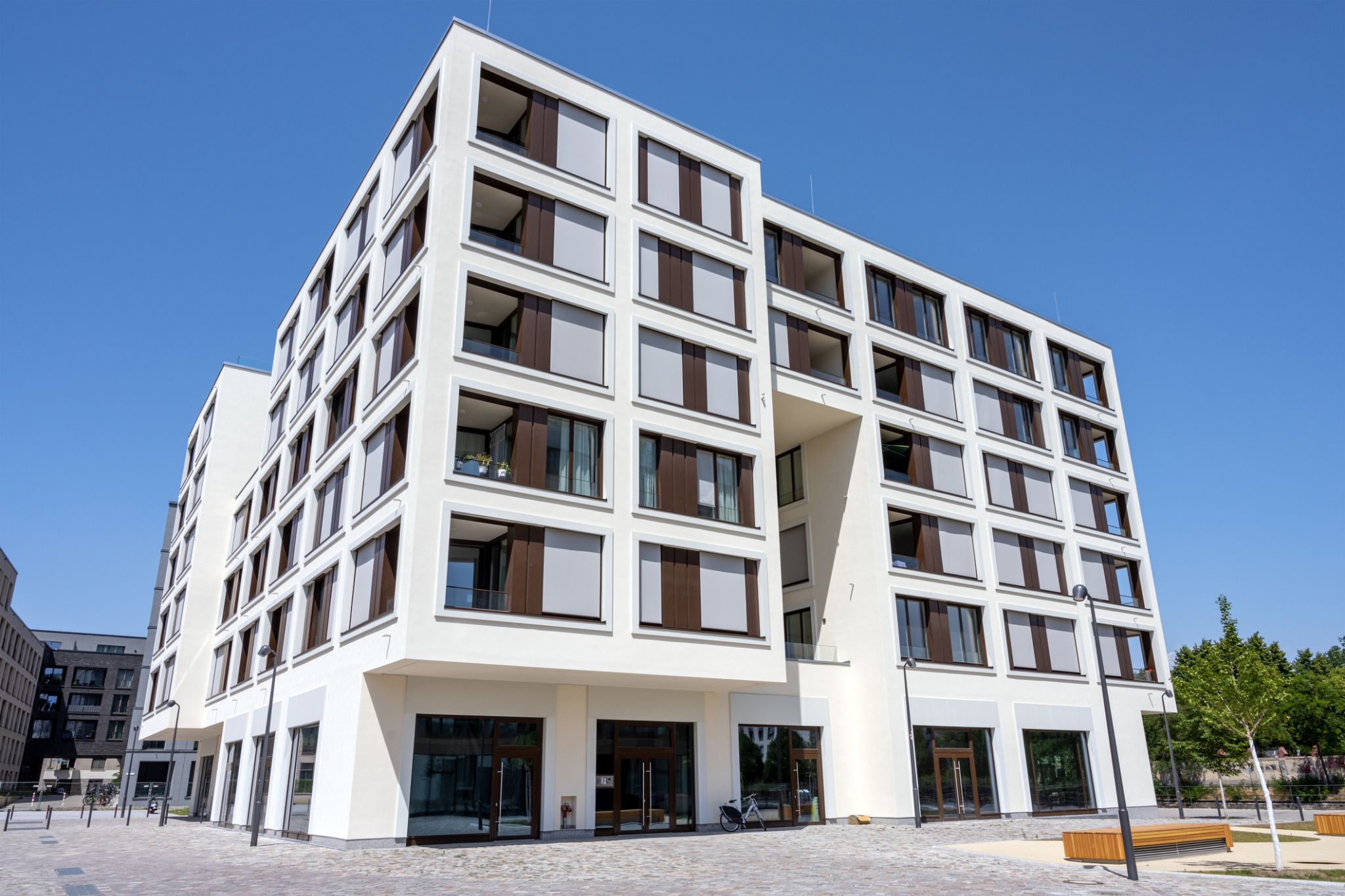
Bridge financing for mixed-use developments combining residential, retail, and commercial uses in urban and suburban markets across the United States.
Share your property details, loan request amount, business plan, and exit strategy with our team.
We quickly evaluate the deal structure, asset quality, non-recourse viability, and borrower experience.
We match your transaction with the right non-recourse bridge capital source from our nationwide lending network.
Review your customized non-recourse bridge loan term sheet and confirm the structure that works for your deal.
Execute the transaction and receive bridge loan proceeds to move your deal forward with confidence.

| Feature | Recourse Bridge Loan | Non-Recourse Bridge Loan |
|---|---|---|
| Personal Liability on Default | Personal assets at risk | Limited to collateral only |
| Borrower Asset Protection | No personal asset protection | Personal assets protected |
| Ideal for Funds & Syndicates | Complicates LP structures | Protects investor and LP capital |
| Underwriting Focus | Borrower credit + financials + property | Property value, business plan, exit strategy |
| Approval Speed | Requires extensive personal documentation | Asset-based focus — moves faster |
| Common Borrower Type | Individual investors | Funds, syndicates, experienced sponsors |
| Exit Strategy Required | Standard review | Critical component of approval |
| Carve-Out Provisions | Rarely applicable | Bad boy carve-outs apply |
A non-recourse bridge loan is a short-term commercial real estate financing solution in which the lender’s recourse upon borrower default is limited to the collateral — typically the property securing the loan — rather than the borrower’s personal assets, other holdings, or outside business interests. These loans bridge a temporary financing gap: during an acquisition, renovation, stabilization, or pre-sale period, before a long-term permanent loan or exit event is possible. Non-recourse bridge loans are commonly used by real estate private equity funds, syndicates, LLCs, and institutional investors who require personal asset protection as part of their investment structure.
The fundamental difference is what happens when a borrower defaults. In a recourse loan, the lender can pursue the borrower’s personal assets — bank accounts, other real estate holdings, personal property — in addition to claiming the collateral. In a non-recourse loan, the lender’s recovery is legally limited to the collateral property only. For real estate funds and syndicates, this distinction is critical: a recourse guarantee would expose individual investors and limited partners to personal liability, which conflicts with the fund’s structural requirements. Non-recourse financing allows the deal to proceed without that personal liability exposure.
While non-recourse loans limit lender recourse in most default scenarios, nearly all non-recourse loan agreements include “bad boy” carve-out provisions — specific actions or omissions by the borrower that can trigger full personal recourse liability. Common carve-outs include intentional fraud or misrepresentation, misappropriation of rental income or insurance proceeds, voluntary bankruptcy filings, environmental contamination, waste or physical destruction of the property, and other bad-faith acts. Carve-outs protect lenders from deliberate borrower misconduct. Borrowers should carefully review all carve-out provisions with qualified legal counsel prior to signing any non-recourse loan agreement.
Non-recourse bridge financing can be applied across a broad range of commercial real estate property types, including:
Each deal is reviewed individually based on the asset’s location, current condition, occupancy, business plan, borrower experience, and proposed exit strategy. Contact our team to discuss your specific property and deal structure.
Select Capital Funding provides same-day expressions of interest on most deals. For transactions where complete documentation is provided upfront — including property information, the business plan, borrower background, and exit strategy — deals can advance from initial review to closing in a matter of weeks rather than months. Having your deal package organized and ready significantly accelerates the timeline. Time-sensitive transactions requiring expedited closings are a specialty.
By definition, a non-recourse loan does not require a full personal guarantee in the event of standard default — the lender’s recourse is contractually limited to the collateral. However, as noted above, bad boy carve-out provisions exist in virtually all non-recourse agreements and can trigger personal liability for specific bad-faith actions or material misrepresentations. Borrowers should not assume a non-recourse loan means zero personal liability under all circumstances. Legal counsel review of the carve-out provisions before closing is strongly recommended.
Non-recourse bridge loans are most commonly used by real estate private equity funds, syndicates and joint ventures, LLCs with multiple members and investors, institutional real estate investors, and experienced individual sponsors seeking to isolate their personal liability from investment risk. The structure is particularly important when the ownership entity — such as a fund with limited partners — prohibits individual members from extending personal guarantees or when the deal structure requires full separation of investor and personal liability.
Non-recourse bridge loans are short-term instruments. Loan terms most commonly range from 6 to 36 months, with extension options available in many cases depending on the lender, deal structure, and progress toward the exit strategy. The loan is designed to cover a defined transitional period — during renovation, lease-up, stabilization, or pre-sale preparation — after which the borrower refinances into permanent financing or exits through a sale.
Loan-to-value (LTV) ratios for non-recourse bridge loans typically range up to 70–80% of the property’s current or as-stabilized appraised value, depending on the asset type, market, business plan strength, and borrower experience. For value-add or construction scenarios, loan-to-cost (LTC) ratios may also be applied. Every transaction is underwritten individually based on its specific characteristics. Contact our team to discuss the appropriate leverage structure for your deal.
An exit strategy is the borrower’s defined plan to repay or refinance the bridge loan at or before maturity. Lenders consider the exit strategy a critical underwriting factor — not just an afterthought. Common exit strategies include refinancing to a long-term permanent loan once the property is stabilized, a sale of the property at or after the target value is achieved, or a capital recapitalization event. A realistic, well-documented exit strategy demonstrates the borrower’s ability to retire the bridge loan within the loan term and is essential for non-recourse bridge loan approval.
Yes. Non-recourse bridge financing can be structured for ground-up construction projects, particularly for experienced developers with a clearly defined business plan, a strong equity contribution, and a credible exit strategy such as a sale or permanent refinancing upon project completion. Construction loan structures typically include a draw schedule tied to project milestones and completion benchmarks. Contact our team to discuss the specifics of your development project and explore available non-recourse structures.
The initial review process typically requires the following information:
Providing complete, organized deal information upfront allows our team to respond faster and match your transaction with the right non-recourse bridge capital source.
Whether you’re acquiring, repositioning, developing, or refinancing commercial real estate, our team can help explore non-recourse bridge financing solutions tailored to your deal structure and timeline.