
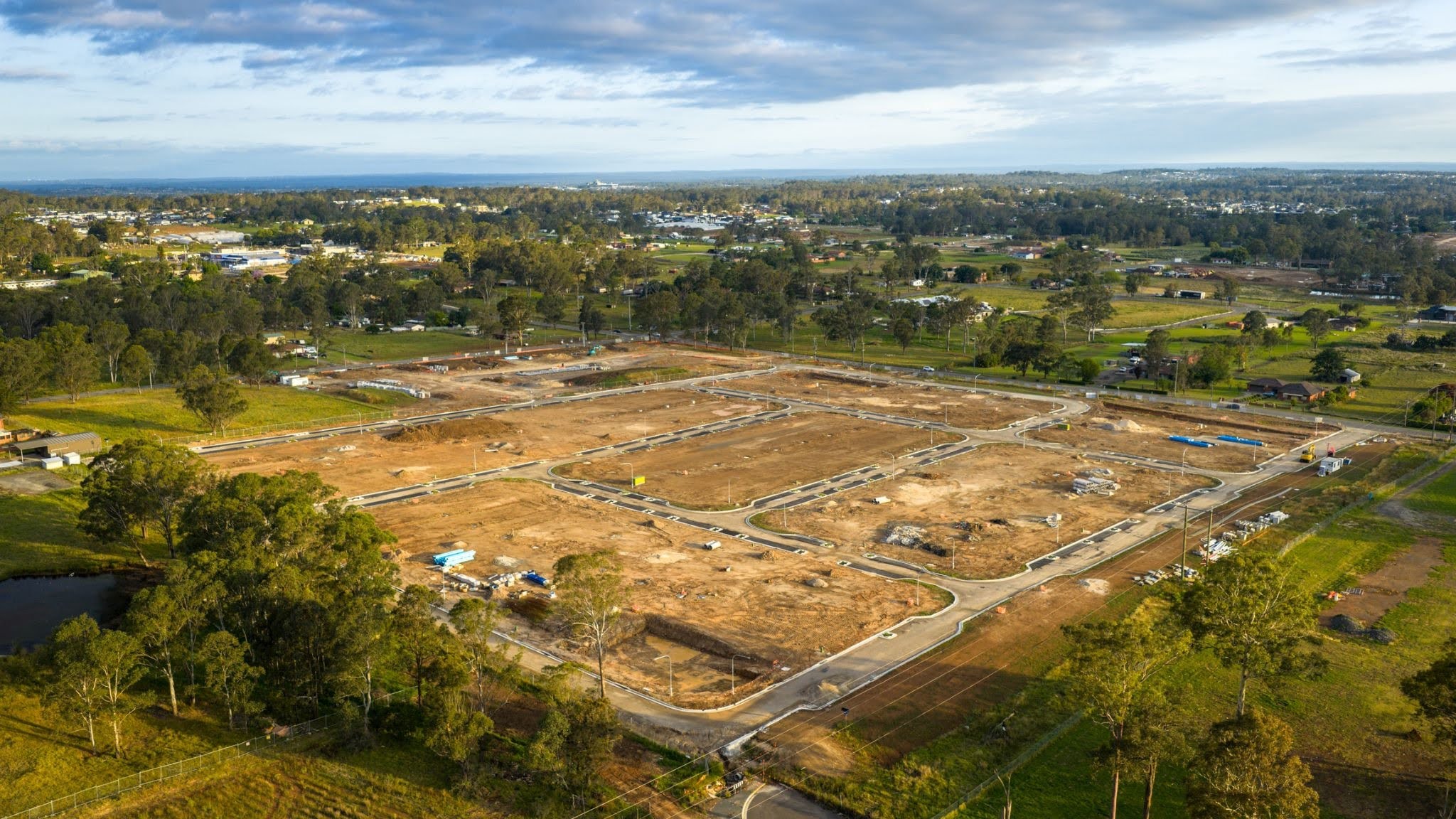
Most banks won’t lend on raw land. We do. Select Capital Funding considers unimproved parcels, residential lots, and commercial land for acquisition financing — structured around your development plan and exit strategy, not a rigid appraisal checklist. Fast approvals. Flexible terms. Nationwide.
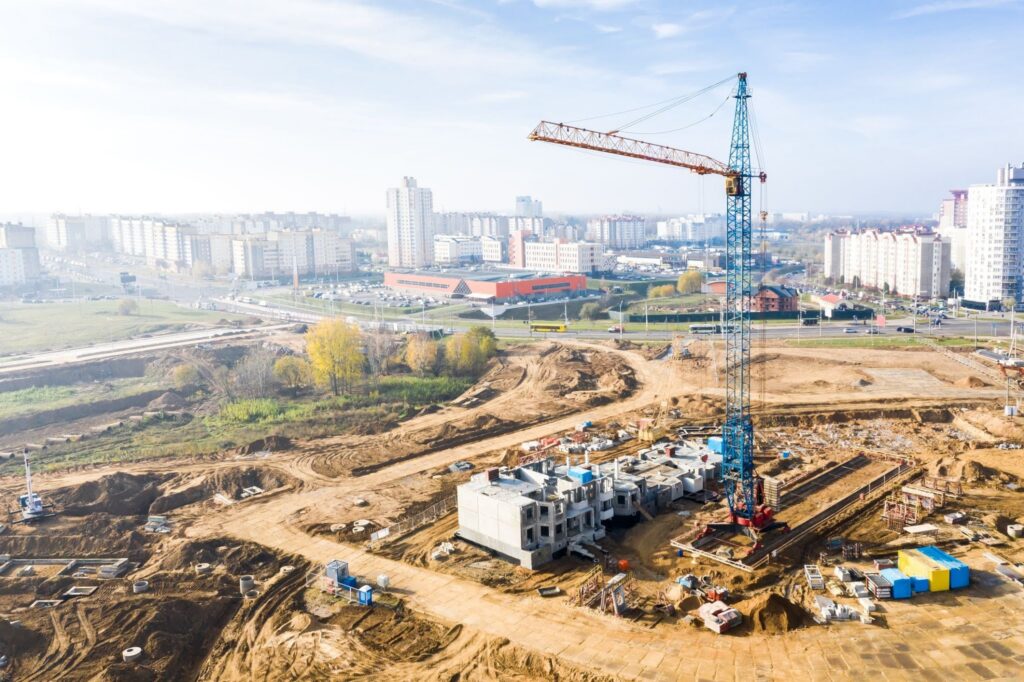
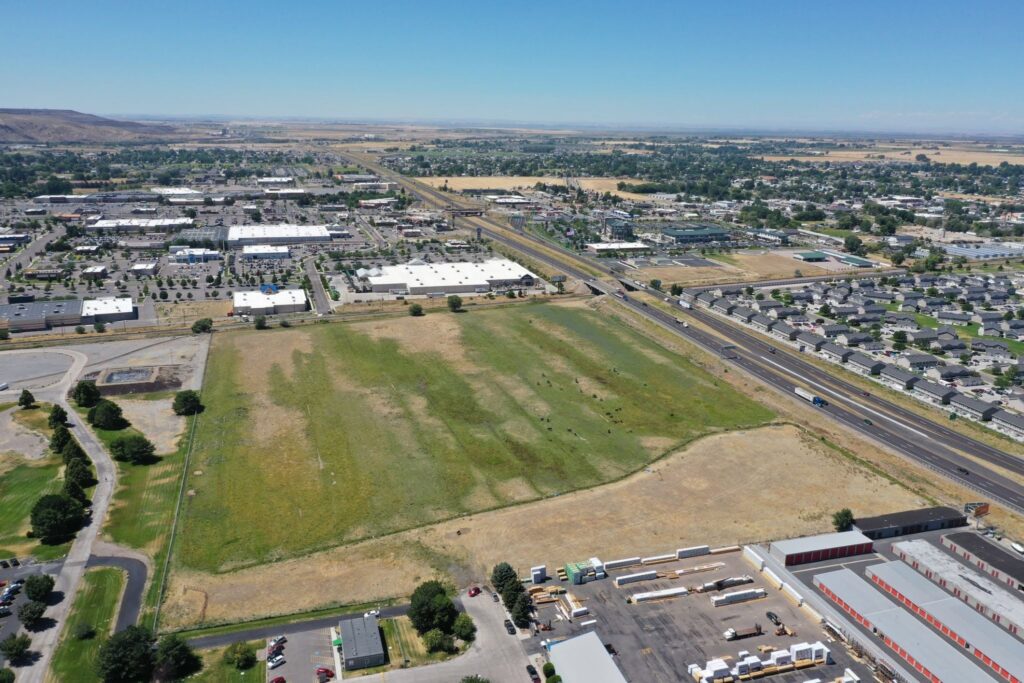
Acquire raw land, navigate the entitlement process to secure zoning approvals and development rights, then sell the now-entitled parcel to a developer at a significant premium over the raw land purchase price.
Acquire raw land parcels in high-growth markets with the strategy of holding for appreciation — capitalizing on market expansion before the parcels are needed for active development.
Acquire one or multiple raw parcels to assemble a commercial development site — retail, industrial, office, or mixed-use — when speed of acquisition matters more than the lender's comfort with unimproved land.
Move quickly on a raw land opportunity when the seller's timeline is tight — same-day expressions of interest allow you to commit while a traditional bank is still reviewing the appraisal.
Secure a raw land parcel before beginning the A&D and construction process — locking up the site ahead of your development timeline when the opportunity won't wait for bank approval.
Acquire raw residential land parcels in advance of the A&D process — securing the site before competition arrives and beginning the permit, entitlement, and engineering work needed to move forward.
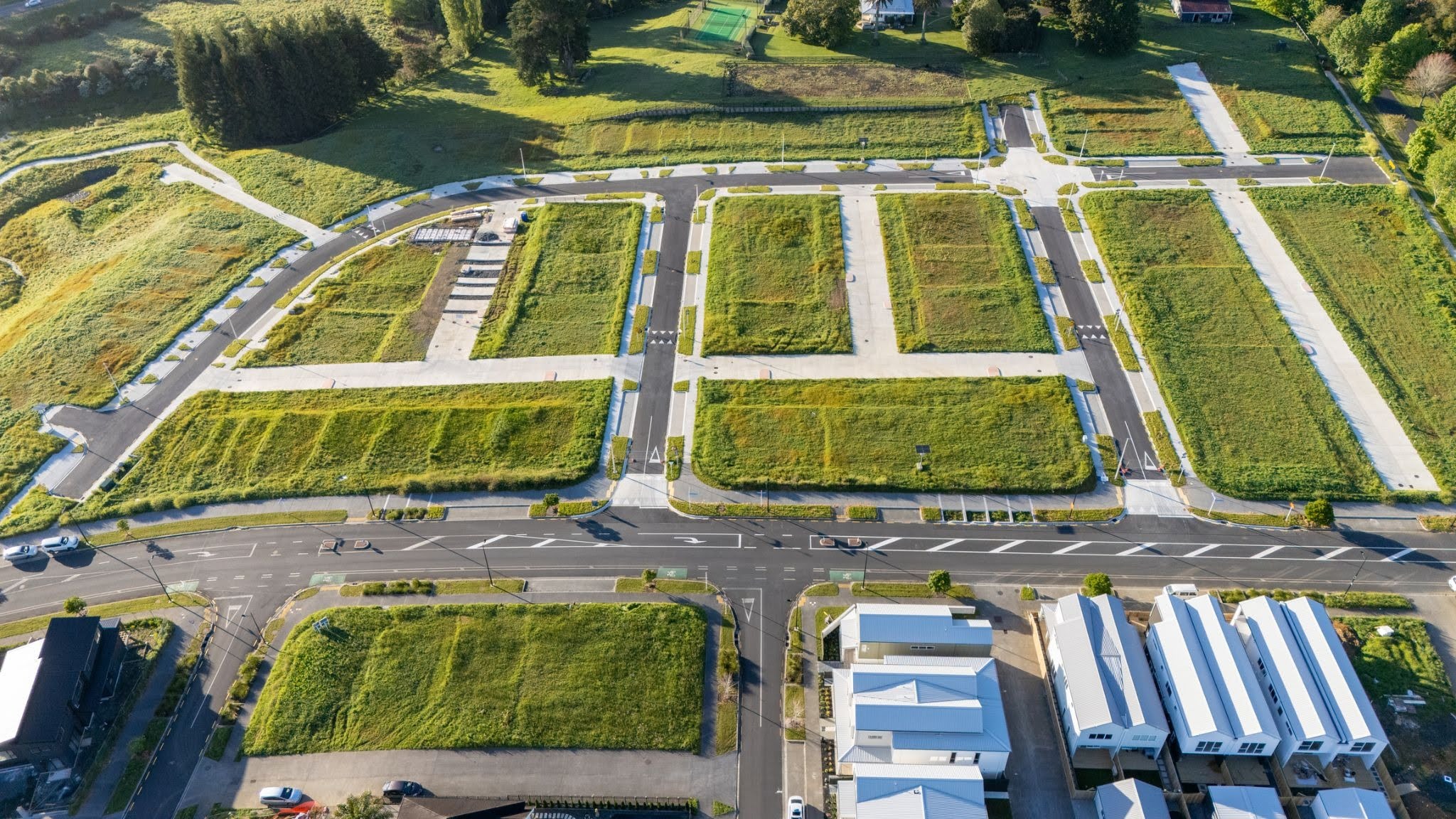
Acquisition financing for raw residential land parcels — unimproved lots, residential acreage, and subdivision-ready land — for investors and developers moving faster than banks can approve.
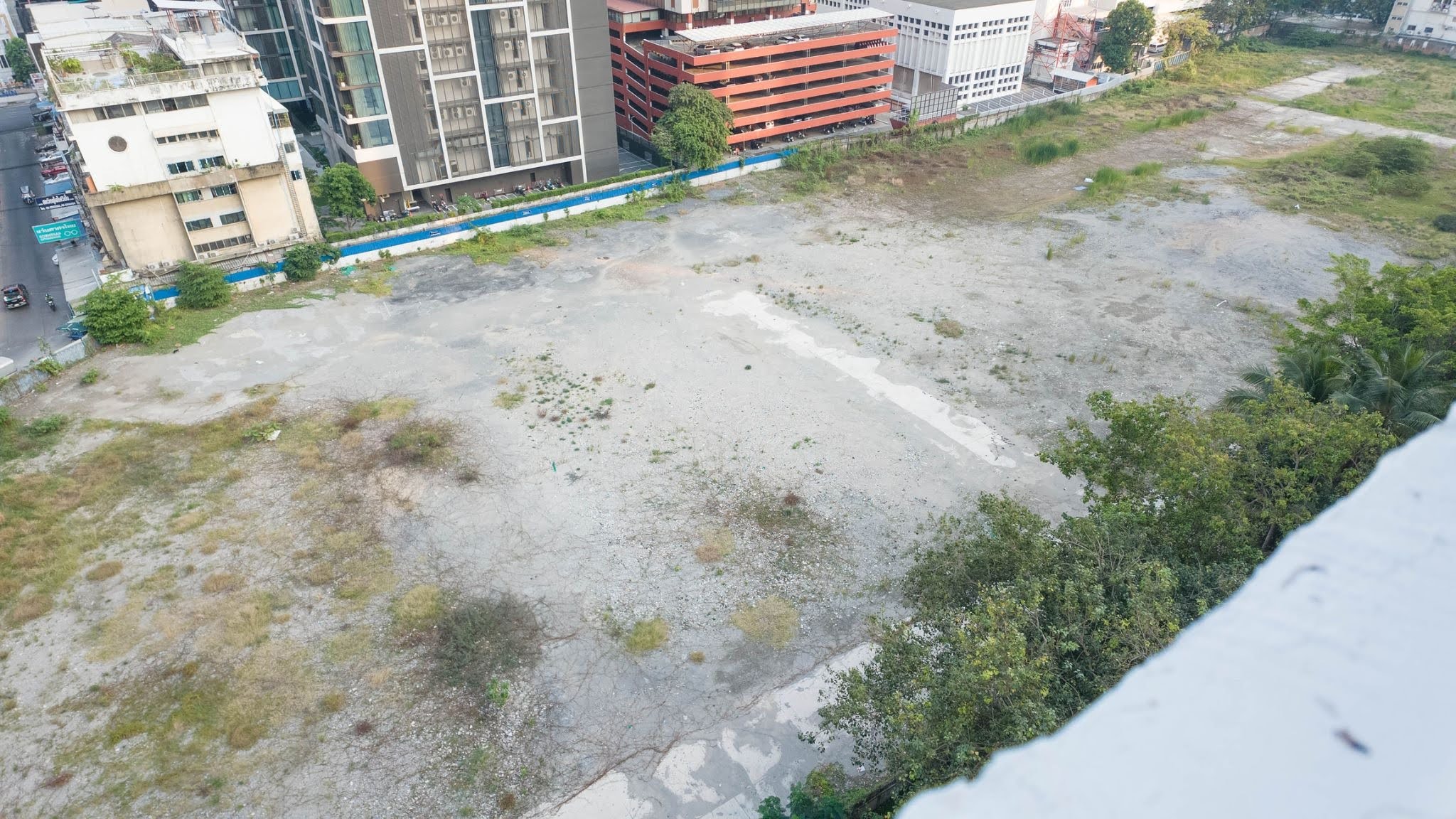
Land acquisition loans for commercial parcels intended for office, retail, industrial, or mixed-use development — evaluated based on location, market fundamentals, and the borrower's development plan.
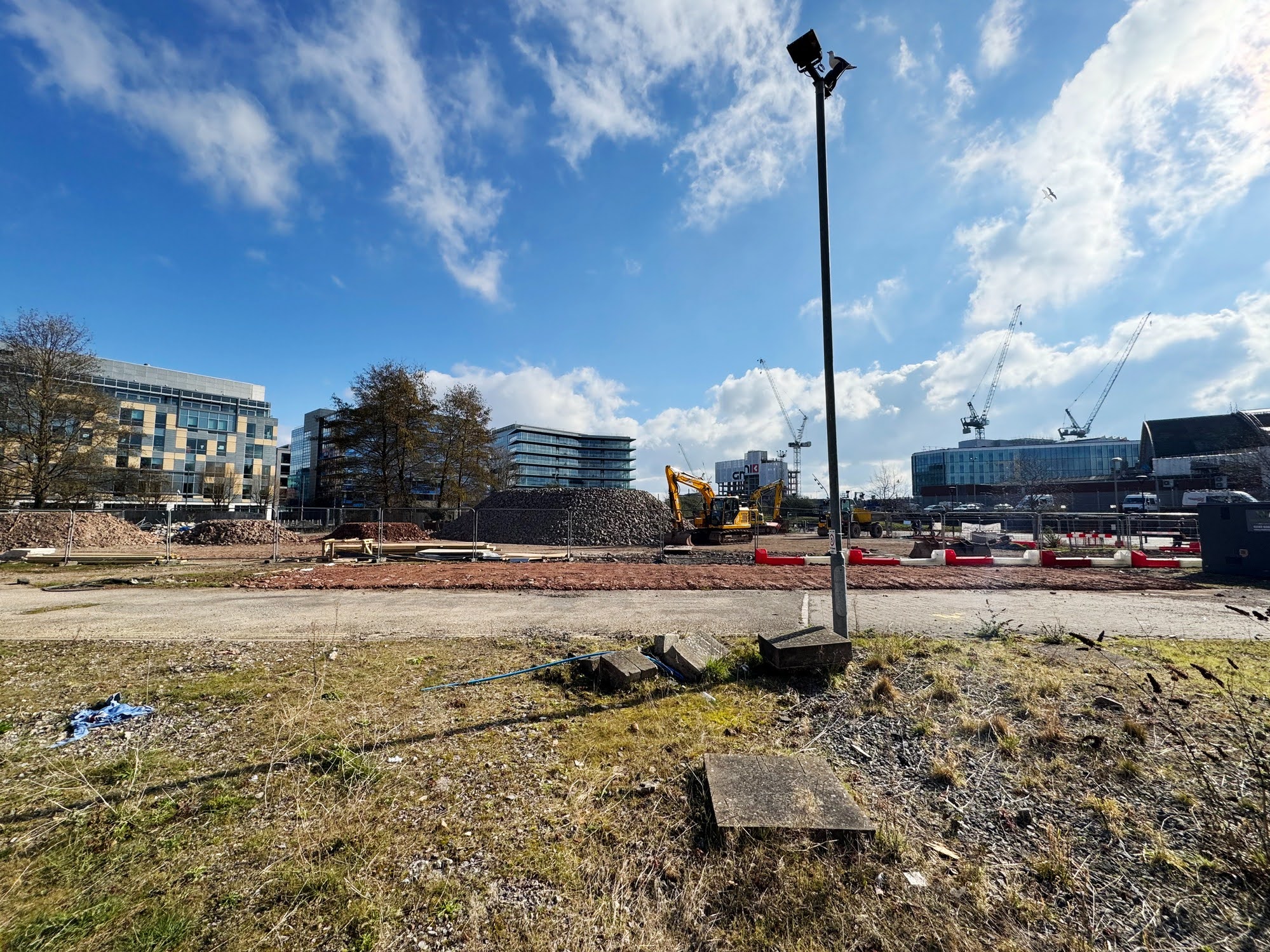
Acquisition financing for industrial land parcels — large-format sites intended for warehouse, logistics, or manufacturing development — structured around the borrower's development timeline.
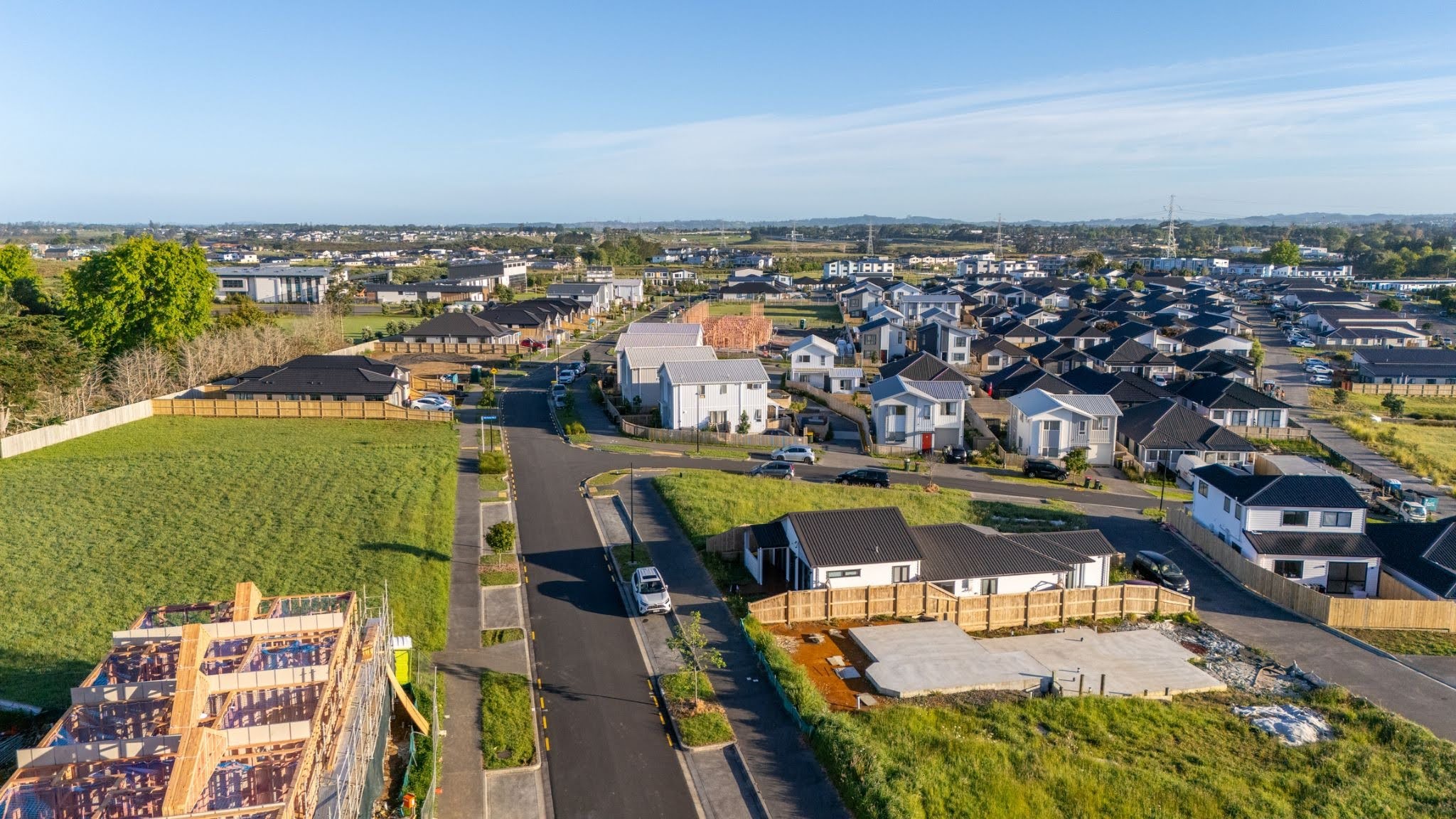
Land acquisition loans for vacant infill parcels within established markets — capitalizing on in-fill development opportunities in locations where raw land acquisition competes with development timelines.
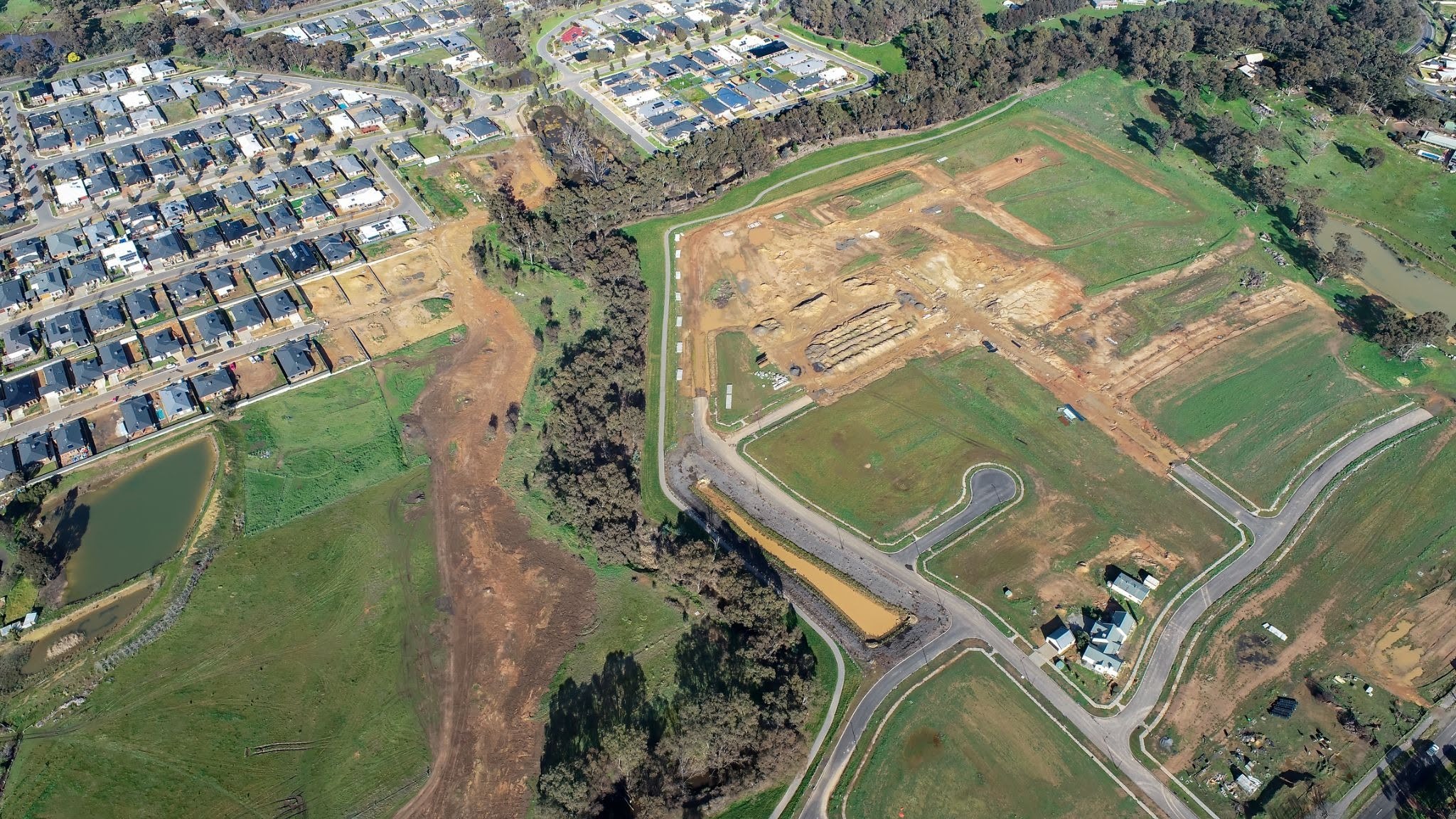
Acquisition financing for agricultural parcels transitioning to residential, commercial, or mixed-use development — evaluated on location, conversion potential, and the borrower's development plan.
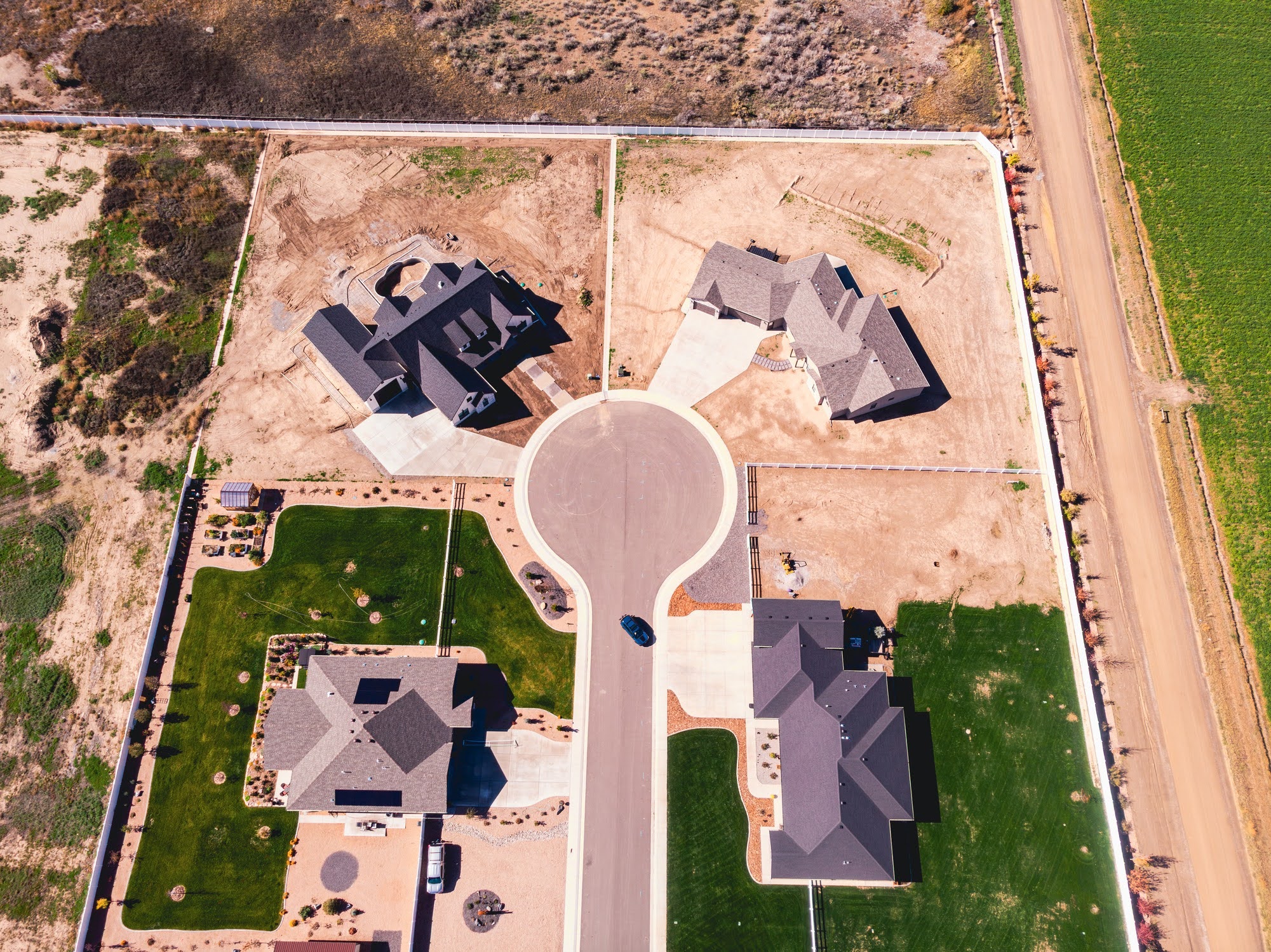
Acquire raw land parcels intended for residential subdivision development — fast private capital financing that positions you to begin the A&D process on your timeline, not the bank's.
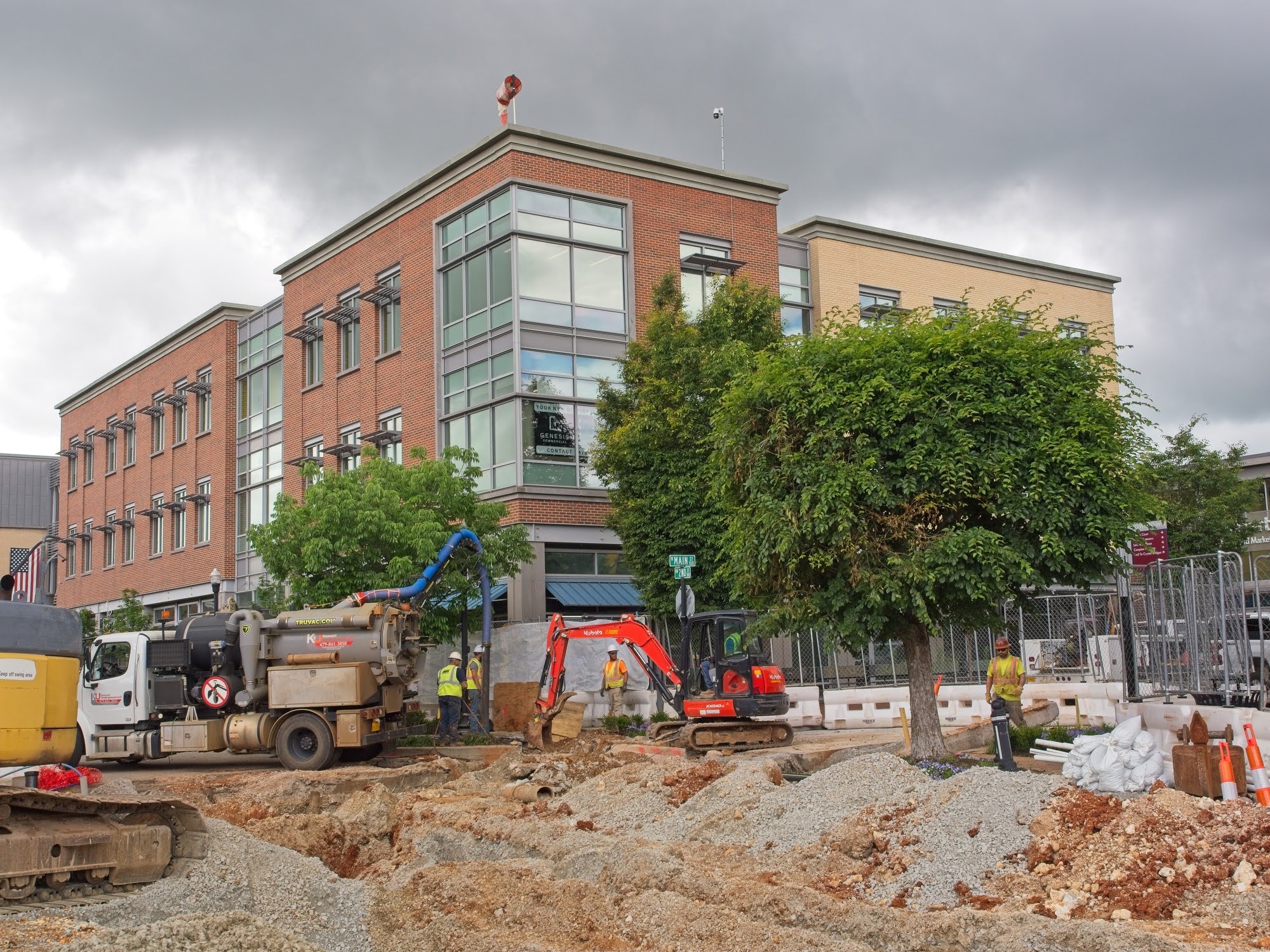
Ready to move from raw land into horizontal development? Our A&D loans cover land acquisition plus the full horizontal construction phase — grading, utilities, roads, and infrastructure — in a single instrument.
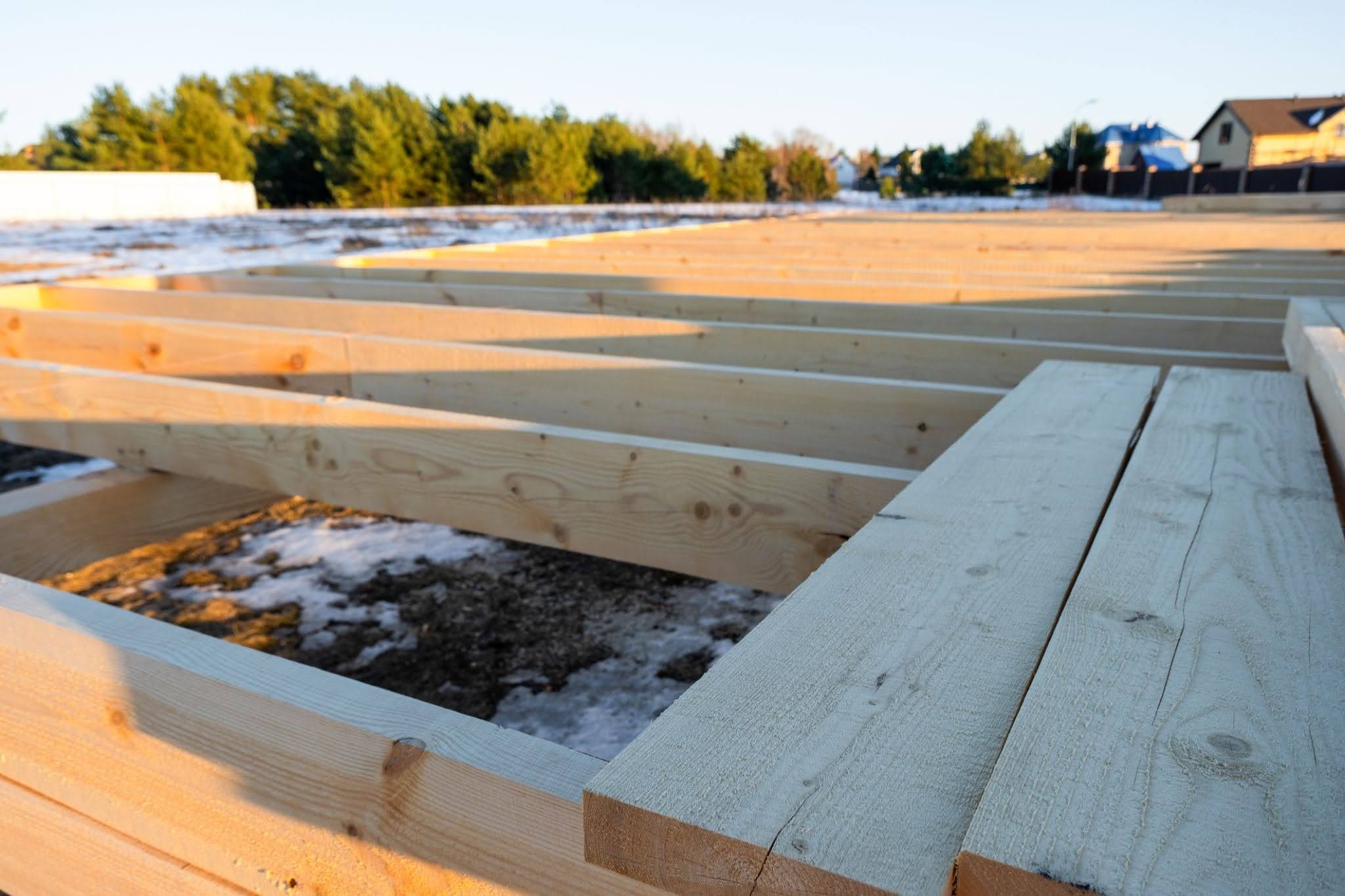
From raw land to vertical construction — when your site is developed and ready to build, transition seamlessly to ground-up construction financing for residential, multifamily, or commercial projects.
Share your parcel details — location, acreage, current zoning, entitlement status, purchase price, and your development plan or exit strategy — with our team.
We evaluate the parcel's as-is value, location fundamentals, market dynamics, and your experience and track record — alongside the clarity and realism of your proposed exit strategy.
We structure your commercial raw land loan — LTV, term, rate, and any conditions — around the specific characteristics of the parcel and the borrower's development plan.
Receive your land loan term sheet, review the structure, and move to a fast closing — so you can secure the parcel before the opportunity passes.
Execute Your Plan Move forward with your exit strategy: begin entitlement, initiate the A&D process, hold for appreciation, or position for a land sale to a developer.
| Feature | Traditional Bank | Select Capital Funding |
|---|---|---|
| Lends on Unimproved Raw Land | Rarely — often declined outright | Yes — unimproved parcels considered |
| Down Payment Required | 40–50%+ of land value minimum | Flexible LTV based on deal merits |
| Entitlement Required to Lend | Usually yes — entitled land preferred | Not always — evaluated case by case |
| Approval Timeline | Weeks to months | Same-day expression of interest |
| Underwriting Focus | Credit, income, strict appraisal | Borrower experience, location, exit strategy |
| Exit Strategy Flexibility | Limited — bank-approved exits only | Multiple exit strategies considered |
| Development Plan Required | Rigid documentation requirements | Flexible — project quality focused |
| Land Type Flexibility | Standard parcels only | Residential, commercial, industrial, infill, agricultural |
| Speed to Close | Slow | Fast closing when required |
| Complex or Unique Parcels | Typically declined | Reviewed based on individual merits |
A commercial loan for raw land is a financing instrument used by investors, developers, and businesses to acquire unimproved, undeveloped land parcels — land in its natural state with no buildings, utilities, roads, or existing infrastructure. Unlike a standard commercial real estate loan, which is secured by an income-producing improved property, a raw land loan is secured solely by the land itself. Because raw land generates no income, carries speculative value, and is difficult to appraise with standard comparables, it represents a higher-risk collateral category for lenders. Select Capital Funding considers unimproved parcels, residential lots, and commercial land as part of its broader commercial lending program — evaluated based on the deal’s individual merits, the borrower’s experience, and the viability of the proposed exit strategy.
Raw land is undeveloped land in its natural state — no buildings, no utilities, no roads, and no infrastructure. Improved land is land that has had some level of development work completed — utilities installed, roads constructed, grading completed, or infrastructure in place — but may not yet have completed vertical buildings. Developed land has completed buildings or structures on it. The key distinction for lenders is that improved land has measurable, verifiable improvements that provide additional collateral value and reduce lender risk. Raw land’s value is entirely speculative and future-oriented, making it significantly harder to underwrite under traditional lending standards.
Entitlements are the legal approvals, zoning designations, permits, and development rights that authorize specific types of development on a land parcel. An unentitled raw parcel may have no approved development use, limiting what a buyer or developer can do with it — and limiting the lender’s confidence in the land’s value and the borrower’s ability to execute their plan. An entitled parcel, by contrast, has secured the necessary approvals — zoning changes, subdivision approvals, environmental clearances — that confirm the land can be developed as intended and significantly increase its market value. From a lender’s perspective, an entitled parcel is substantially less speculative than a raw, unentitled one. However, private capital lenders like Select Capital Funding may consider raw, unentitled land for borrowers with a credible entitlement strategy and the experience to execute it.
Land banking is an investment strategy in which an investor or developer acquires raw land in a high-growth market with the intention of holding it for a period of time — typically until market conditions, entitlements, or development demand increase the land’s value significantly, at which point the parcel is sold or developed. A commercial raw land loan finances the acquisition phase of a land banking strategy. The exit strategy for the lender is the eventual sale of the land at a higher price, the completion of entitlements (which dramatically increase land value), or the transition to an A&D or construction loan when development begins. The strength of the location, the market growth trajectory, and the borrower’s financial capacity to carry the land through the hold period are all critical factors in underwriting a land banking loan.
Land banking is an investment strategy in which an investor or developer acquires raw land in a high-growth market with the intention of holding it for a period of time — typically until market conditions, entitlements, or development demand increase the land’s value significantly, at which point the parcel is sold or developed. A commercial raw land loan finances the acquisition phase of a land banking strategy. The exit strategy for the lender is the eventual sale of the land at a higher price, the completion of entitlements (which dramatically increase land value), or the transition to an A&D or construction loan when development begins. The strength of the location, the market growth trajectory, and the borrower’s financial capacity to carry the land through the hold period are all critical factors in underwriting a land banking loan.
A raw land loan finances only the purchase of the unimproved land parcel — it does not fund any development work. An acquisition and development (A&D) loan covers both the land purchase and the horizontal construction costs needed to prepare the land for building — grading, utilities, roads, drainage, and infrastructure. The raw land loan is the step before an A&D loan; the borrower acquires the parcel with a land loan, and once they are ready to begin site development, they either refinance into an A&D loan or the raw land loan was structured to roll into the A&D phase. If you are purchasing raw land with the immediate intent to begin site development, an A&D loan may be the more efficient structure for your project.
Select Capital Funding considers a broad range of land types for commercial land financing, including:
Each parcel is evaluated individually based on location, market fundamentals, current zoning, entitlement status, and the borrower’s development plan and exit strategy.
A commercial loan for raw land is a financing instrument used by investors, developers, and businesses to acquire unimproved, undeveloped land parcels — land in its natural state with no buildings, utilities, roads, or existing infrastructure. Unlike a standard commercial real estate loan, which is secured by an income-producing improved property, a raw land loan is secured solely by the land itself. Because raw land generates no income, carries speculative value, and is difficult to appraise with standard comparables, it represents a higher-risk collateral category for lenders. Select Capital Funding considers unimproved parcels, residential lots, and commercial land as part of its broader commercial lending program — evaluated based on the deal’s individual merits, the borrower’s experience, and the viability of the proposed exit strategy.
regulatory capital requirements. Raw land produces no income — there is no rent, no occupancy, and no cash flow to service the debt. Its value is entirely speculative, based on anticipated future development or appreciation rather than existing improvements. Standard appraisal methods rely heavily on comparable sales, which may be limited or inconsistent for raw land in many markets. And in the event of default, a bank’s ability to recover its principal is highly dependent on finding a buyer for unimproved land — which can take significantly longer than selling an occupied income-producing property. For these reasons, banks that do consider raw land often require down payments of 40–50% or more. Private lenders like Select Capital Funding apply a different underwriting framework — one focused on borrower experience, location fundamentals, market dynamics, and exit strategy rather than income and standard appraisal thresholds.
Raw land is undeveloped land in its natural state — no buildings, no utilities, no roads, and no infrastructure. Improved land is land that has had some level of development work completed — utilities installed, roads constructed, grading completed, or infrastructure in place — but may not yet have completed vertical buildings. Developed land has completed buildings or structures on it. The key distinction for lenders is that improved land has measurable, verifiable improvements that provide additional collateral value and reduce lender risk. Raw land’s value is entirely speculative and future-oriented, making it significantly harder to underwrite under traditional lending standards.
Entitlements are the legal approvals, zoning designations, permits, and development rights that authorize specific types of development on a land parcel. An unentitled raw parcel may have no approved development use, limiting what a buyer or developer can do with it — and limiting the lender’s confidence in the land’s value and the borrower’s ability to execute their plan. An entitled parcel, by contrast, has secured the necessary approvals — zoning changes, subdivision approvals, environmental clearances — that confirm the land can be developed as intended and significantly increase its market value. From a lender’s perspective, an entitled parcel is substantially less speculative than a raw, unentitled one. However, private capital lenders like Select Capital Funding may consider raw, unentitled land for borrowers with a credible entitlement strategy and the experience to execute it.
Land banking is an investment strategy in which an investor or developer acquires raw land in a high-growth market with the intention of holding it for a period of time — typically until market conditions, entitlements, or development demand increase the land’s value significantly, at which point the parcel is sold or developed. A commercial raw land loan finances the acquisition phase of a land banking strategy. The exit strategy for the lender is the eventual sale of the land at a higher price, the completion of entitlements (which dramatically increase land value), or the transition to an A&D or construction loan when development begins. The strength of the location, the market growth trajectory, and the borrower’s financial capacity to carry the land through the hold period are all critical factors in underwriting a land banking loan.
Tell us about the parcel, your plan, and your timeline — we’ll get back to you quickly with initial feedback.