
Finance the construction of single-family rentals, BTR communities, and horizontal multifamily projects built to hold — not to sell. Select Capital Funding structures build-to-rent construction loans for investors who want to create long-term rental income through new construction, with fast approvals, flexible draws, and a clear path from construction to permanent financing. Nationwide.
| Build to Sell vs Build to Rent — The Strategic Difference | ||
|---|---|---|
| 🏗 Standard Construction Strategy (Build to Sell) | VS | 🏘 Build to Rent Strategy |
|
🏗 Acquire Land
↓ 🔨 Build (Construction Loan) ↓ ✅ Construction Complete ↓ 🏷 List for Sale ↓ 💰 ONE-TIME SALE PROCEEDS End of Investment Cycle |
VS |
🏗 Acquire Land
↓ 🔨 Build (BTR Construction Loan) ↓ ✅ Construction Complete ↓ 🔑 Lease Up Tenants ↓ 📈 Reach Stabilization (Target Occupancy + DSCR) ↓ 🏦 Refinance to DSCR / Permanent Loan ↓ 💰 MONTHLY RENTAL INCOME — ONGOING Long-Term Equity Growth Portfolio Accumulation |
| Build to Sell | Build to Rent |
|---|---|
| Transactional investment strategy | Portfolio building strategy |
| Single capital event | Recurring monthly cash flow |
| Exposure to sale market timing | Long-term wealth creation |
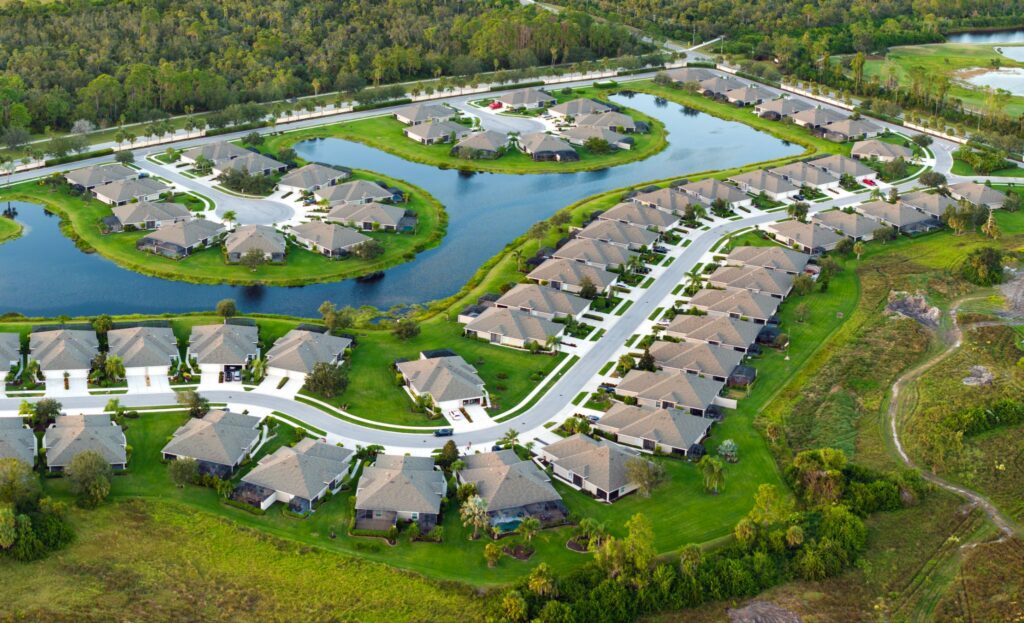
Build an entire community of single-family rental homes on a single parcel — operated as a managed rental portfolio rather than sold individually to owner-occupants.
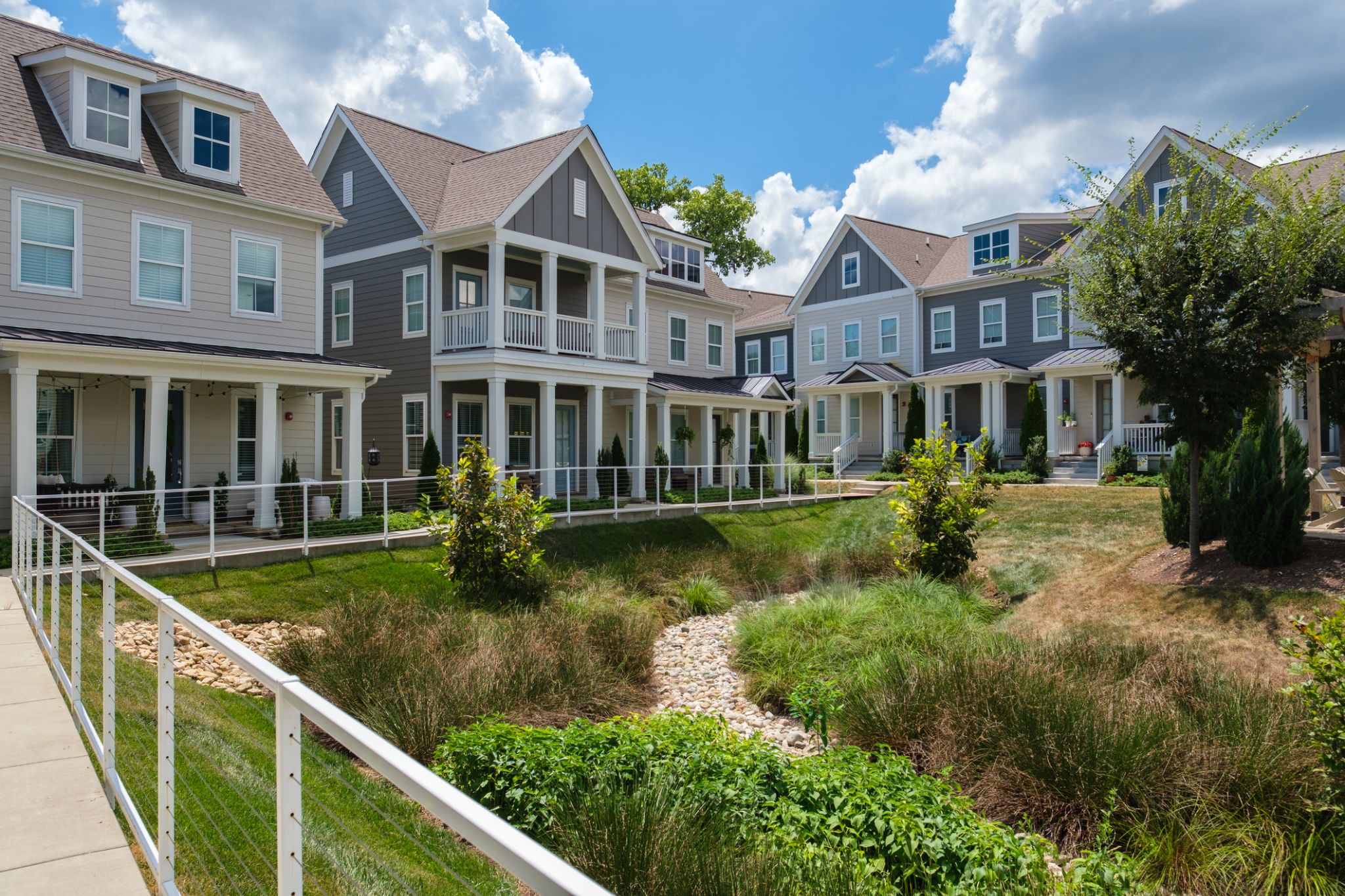
Develop attached or detached townhome communities purpose-built for the rental market — offering higher rents, lower maintenance, and better tenant retention than aging rental stock.
Finance a horizontal multifamily project — attached or detached single-family-style homes arranged and operated like a multifamily apartment complex — in a single BTR construction loan structure.
Use BTR construction financing to systematically build a rental portfolio — each project producing long-term cash flow and equity that compounds over time.
Build new to avoid the deferred maintenance, below-market rents, and capital expenditure risk of acquiring aging existing rentals — purpose-built BTR delivers better economics from day one.
Structure your BTR project with a clear path to a DSCR permanent loan at stabilization — using the property's rental income to support long-term financing without dependency on a sale.
Finance the construction of single-family rental homes and SFR communities built to hold — with flexible draws, fast execution, and a clear path to permanent DSCR financing at stabilization.
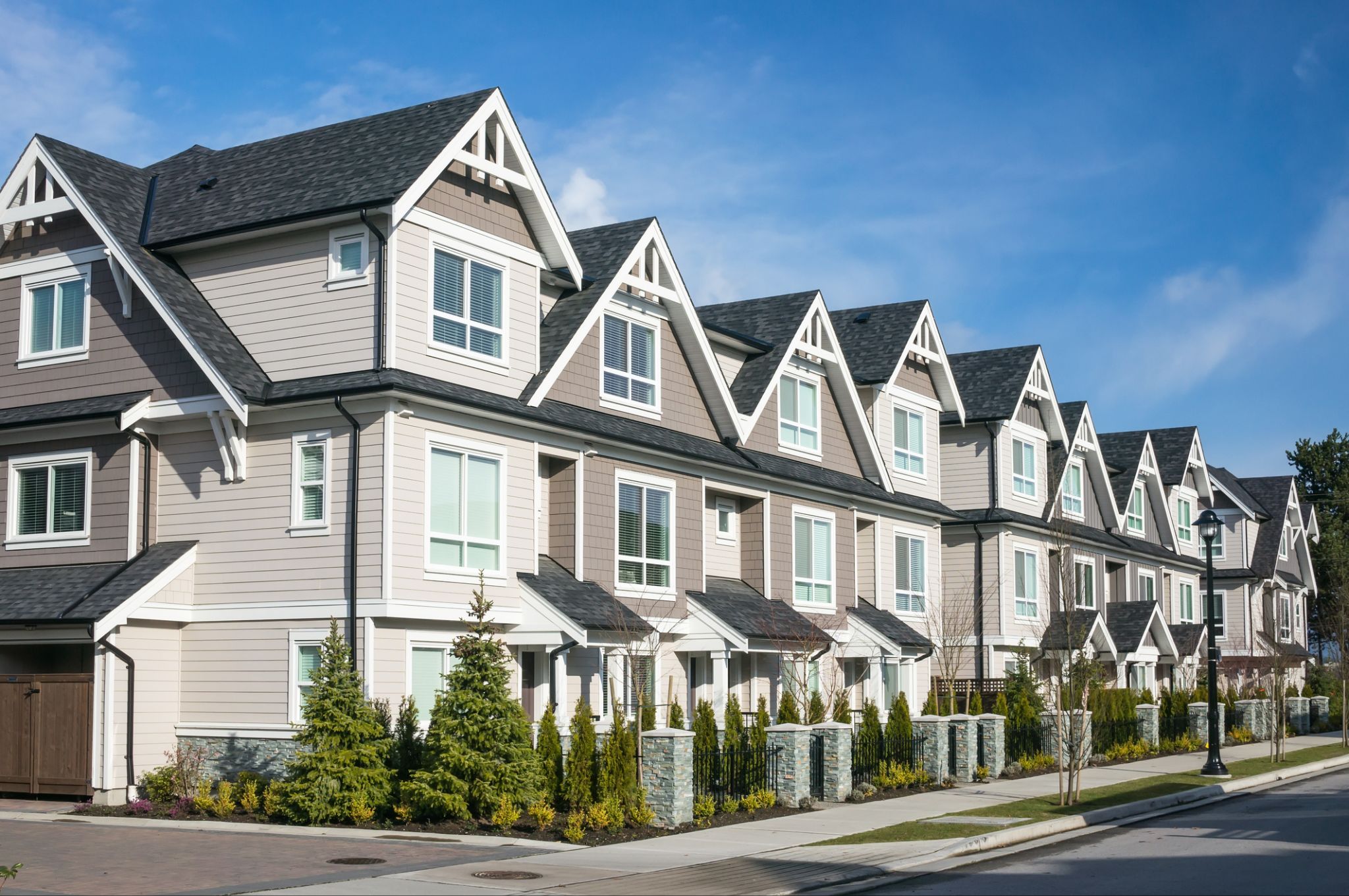
Construction financing for purpose-built townhome rental communities — attached or detached — structured to support the BTR investment thesis from groundbreaking to full lease-up.
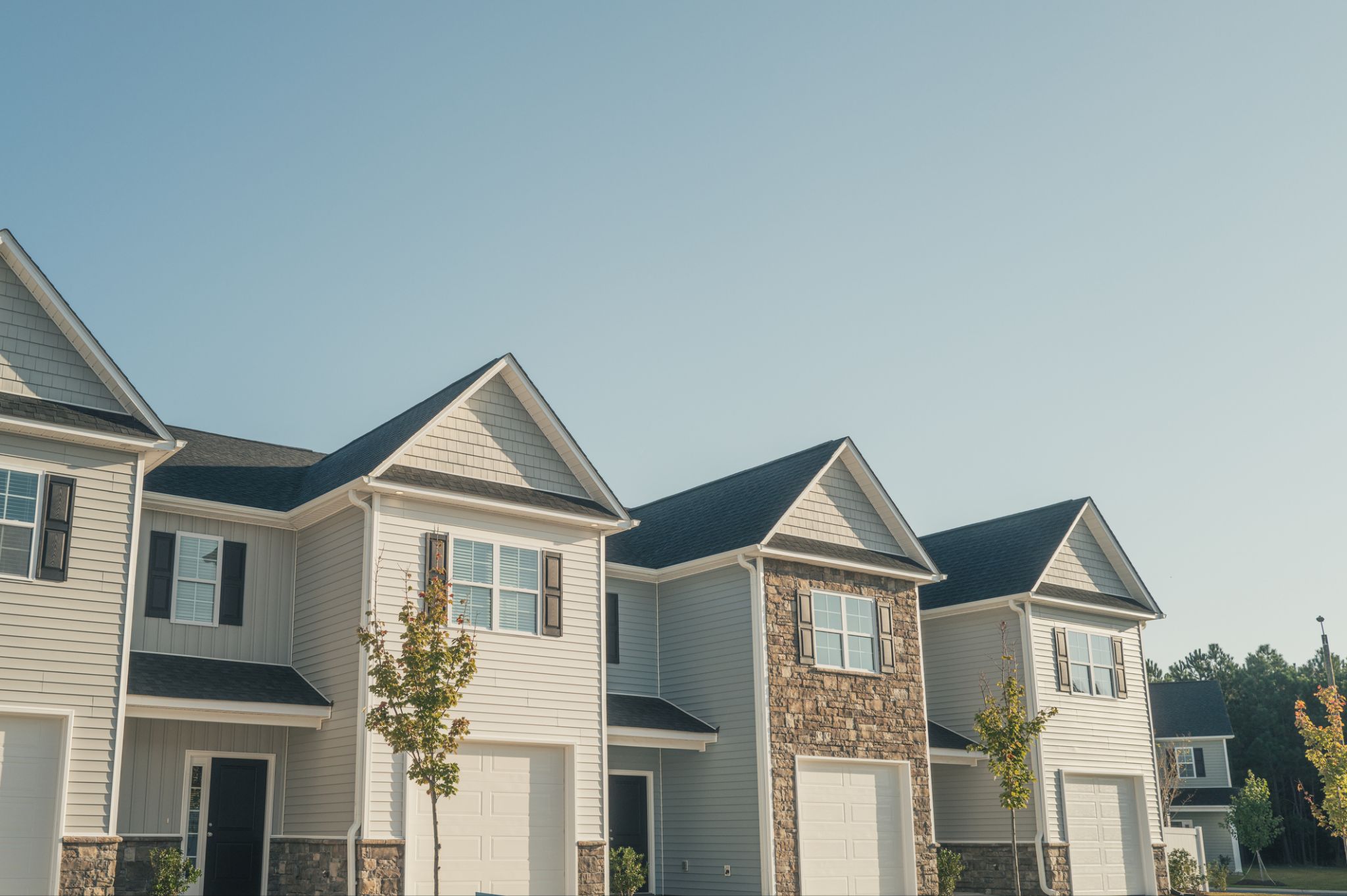
BTR construction financing for horizontal multifamily developments — single-family-style units arranged and operated as a unified rental community, bridging the residential and multifamily asset classes.
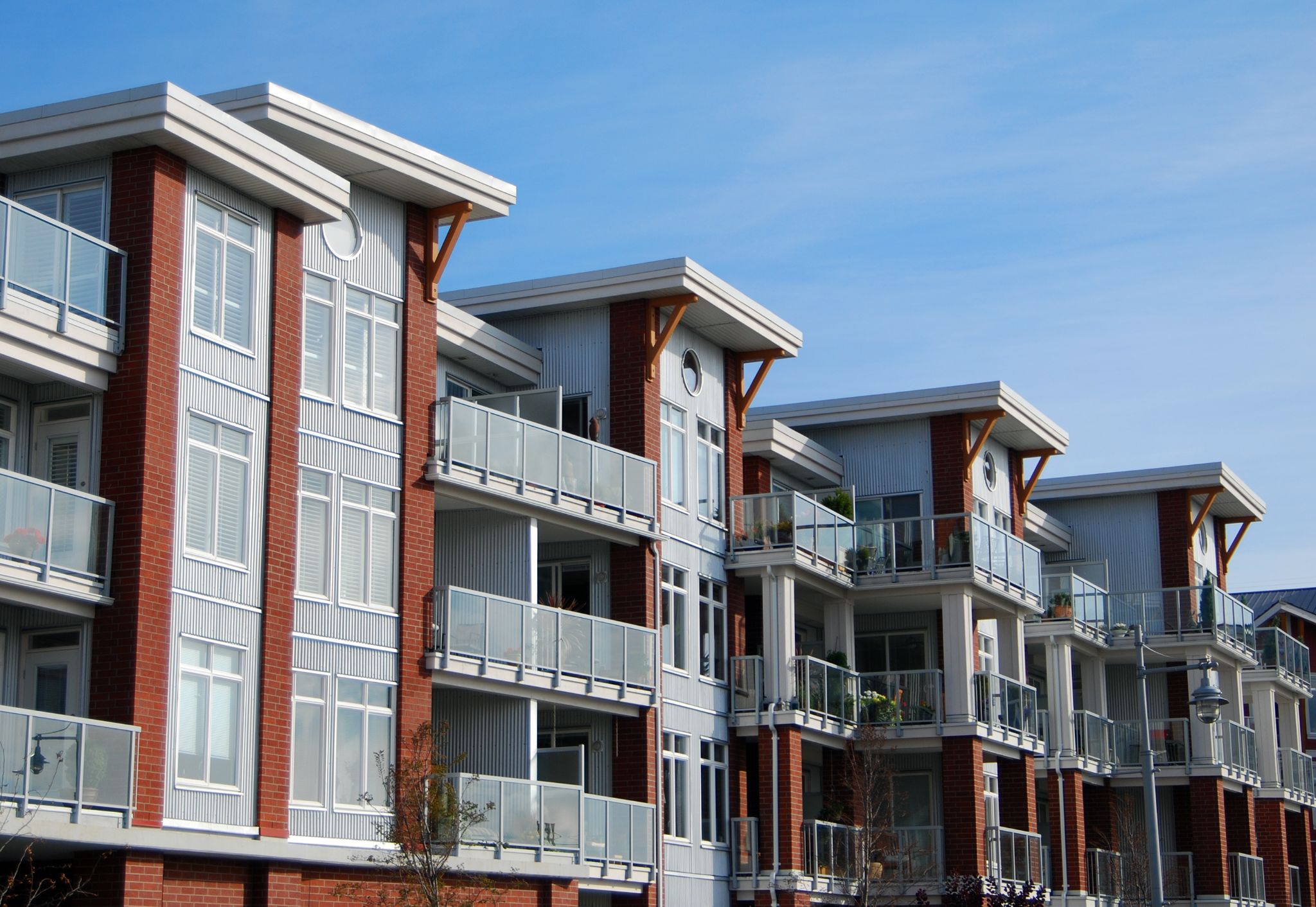
Ground-up construction financing for multifamily apartment communities built for long-term rental income — with in-house draw management and a direct path to permanent multifamily financing at stabilization.
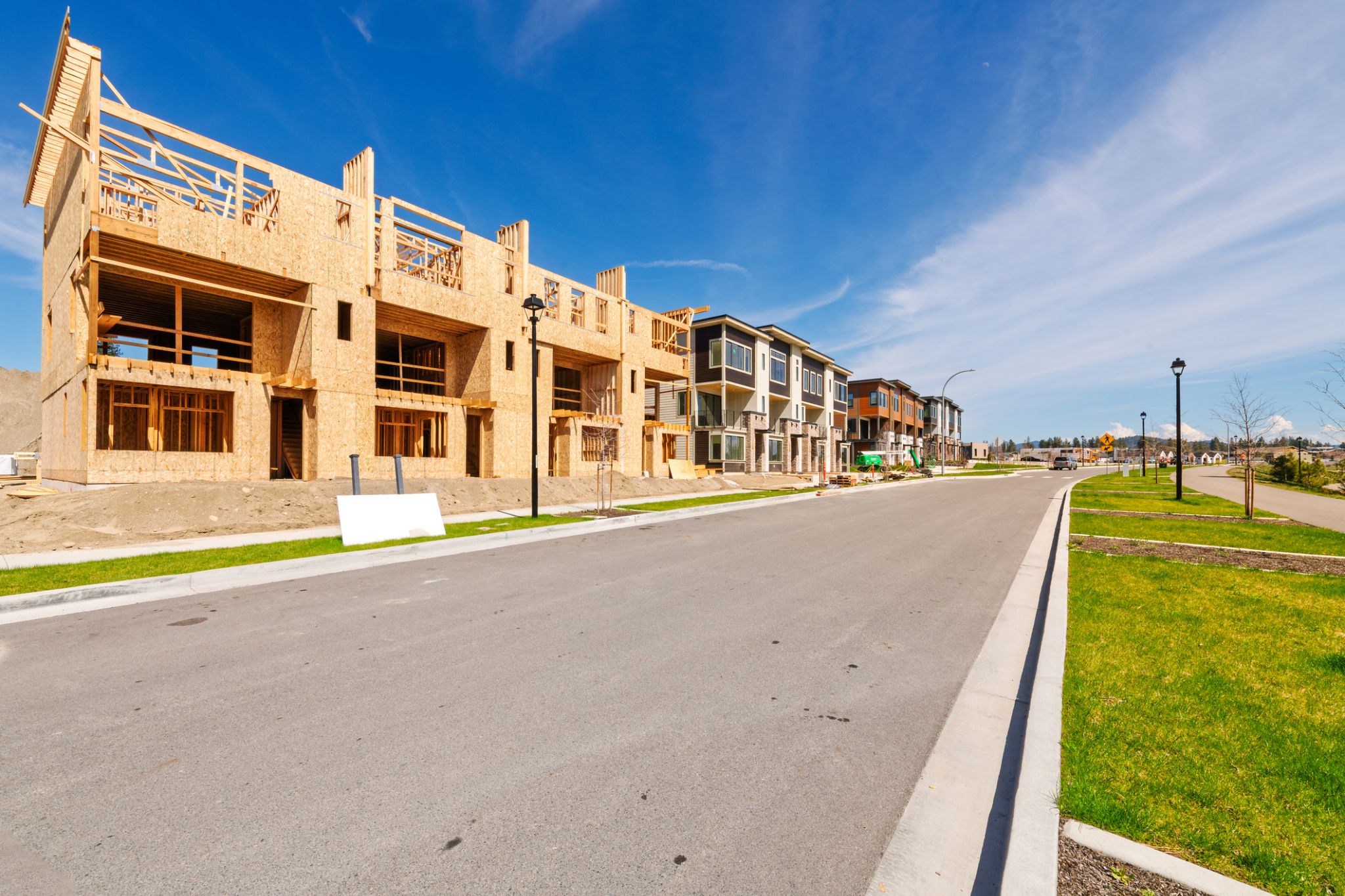
Finance a BTR project from raw land through construction completion — with acquisition, horizontal development, and vertical construction all fundable in a single or phased loan structure.
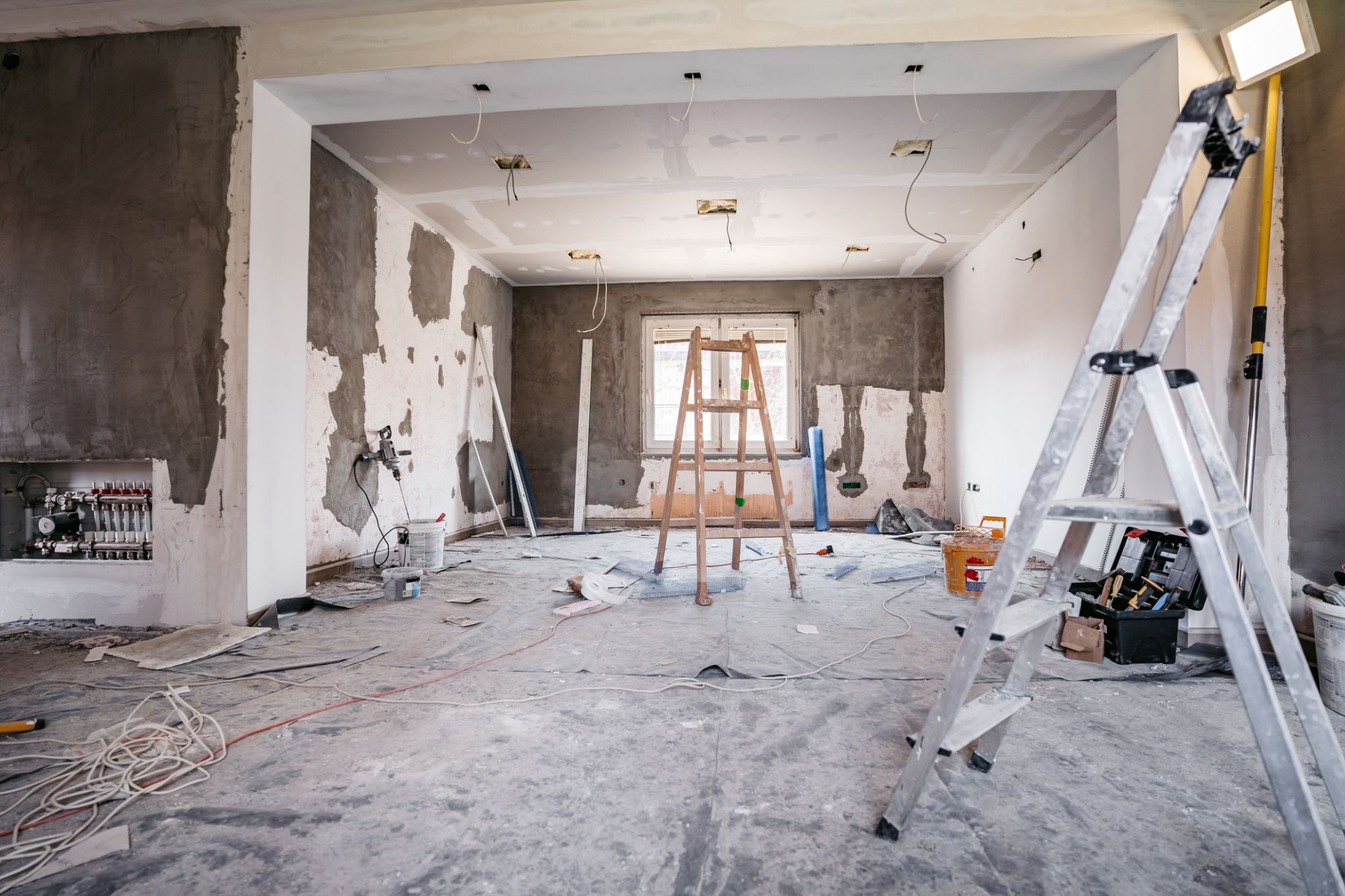
Renovate and hold rather than renovate and sell — construction financing for investors acquiring and substantially renovating residential properties with a long-term rental income strategy.
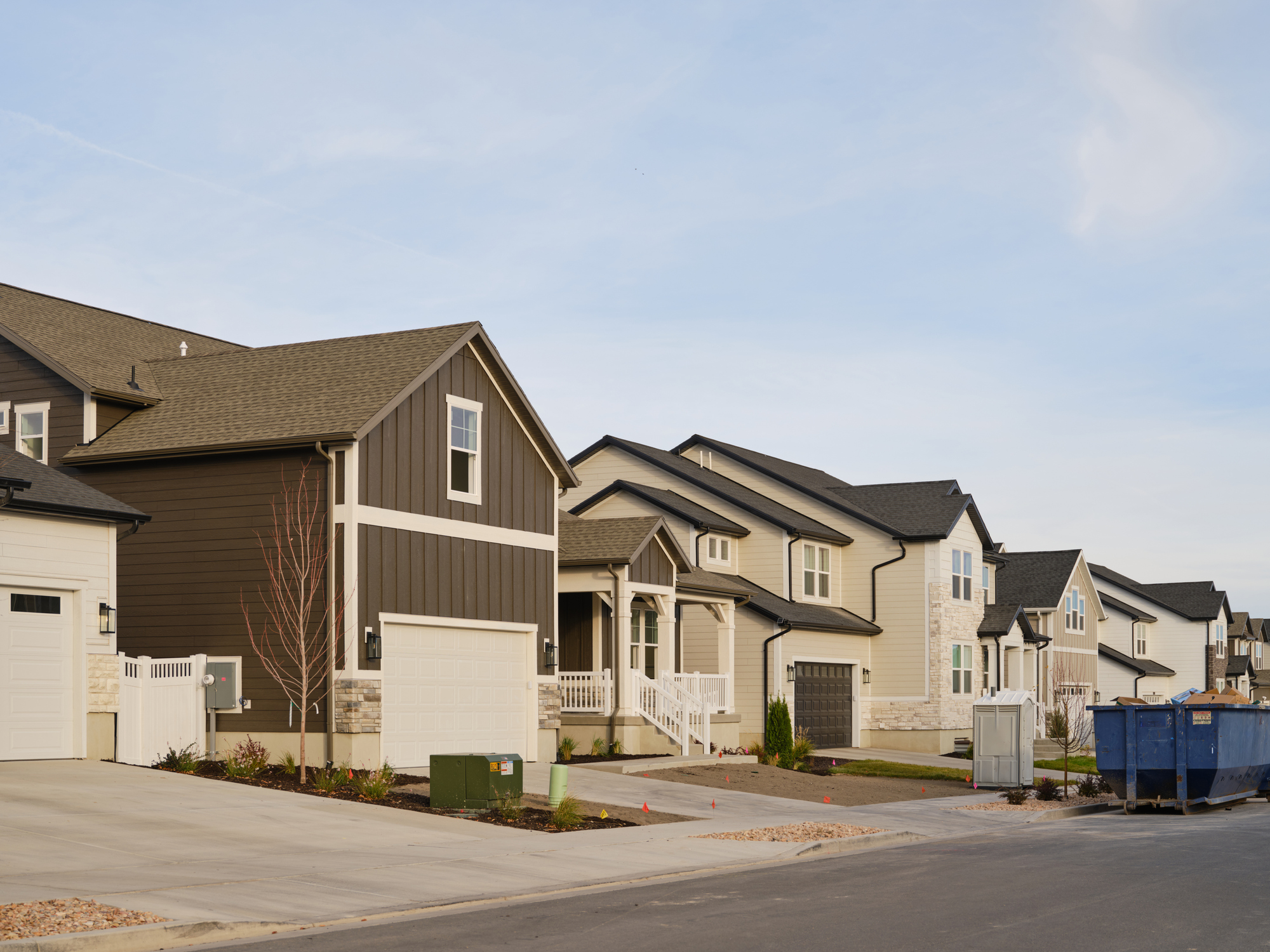
Scale your rental portfolio systematically with BTR construction financing structured across multiple properties or a phased development — building long-term cash flow with each new phase.
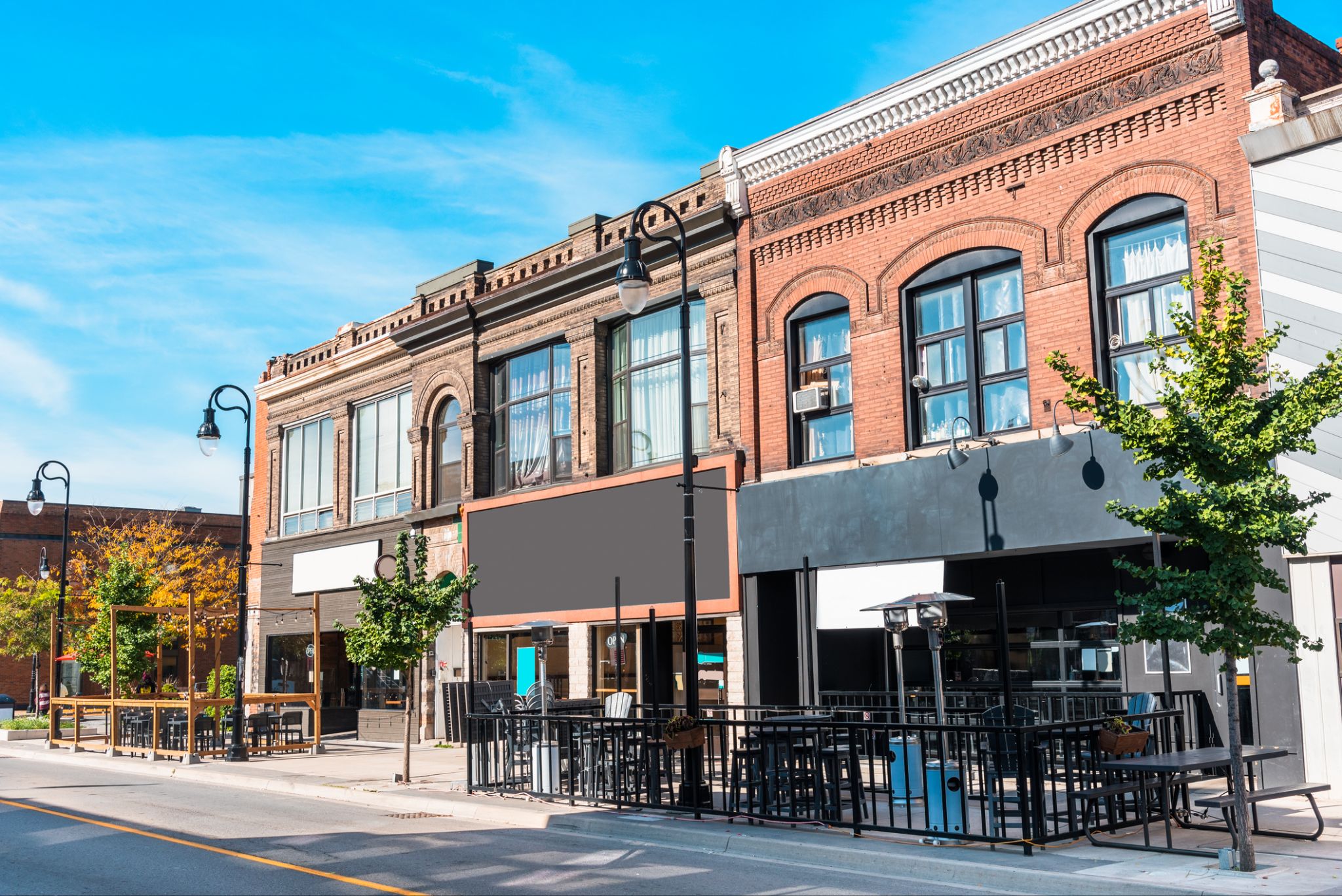
BTR financing for mixed-use and commercial-residential developments — structure the construction phase and transition to long-term permanent financing once the rental income is stabilized.
Share your project details — site location, project type (SFR, townhome, horizontal MF), unit count, construction budget, projected rental income, and your BTR investment strategy.
We evaluate both the construction viability (budget, plans, builder, timeline) and the BTR economics (projected rents, as-stabilized value, DSCR target, and permanent financing path) in a single review.
We structure your BTR construction loan — LTC, draw schedule, term, and interest reserve — aligned with your project's construction sequence and the timeline to lease-up and stabilization.
Execute construction with in-house draw management and approximately one-week draw turnaround. As units complete, begin leasing — moving toward your DSCR target and stabilization threshold.
Once stabilized and at target occupancy, transition to a DSCR loan, commercial mortgage, or multifamily permanent financing — converting your BTR construction loan into long-term rental income financing.

| Feature | Standard Construction Loan (Build to Sell) |
BTR Construction Loan (Build to Hold) |
|---|---|---|
| Primary Investment Goal | Build and sell for profit | Build and hold for rental income |
| Exit Strategy | Property sale at or after completion | Lease up, stabilize, and hold |
| Underwriting Basis | As-completed sale value | As-stabilized rental income (DSCR) |
| Cash Flow After Construction | One-time sale proceeds | Ongoing monthly rental income |
| Permanent Financing Needed | No — property sold | Yes — DSCR loan or commercial mortgage |
| Market Timing Exposure | Must sell into current market | Can hold through market cycles |
| Long-Term Wealth Strategy | Transactional capital events | Portfolio accumulation + equity growth |
| Tenant Relationship | None — buyer takes over | Long-term professional tenant management |
| Project Scale Benefit | Per-unit sale margin | Portfolio income compounds over time |
| Ideal Investor Profile | Active capital recycler | Long-term wealth builder |
A build-to-rent (BTR) construction loan is a financing instrument specifically designed for investors and developers who are constructing residential or multifamily properties with the intention of holding them as long-term rentals rather than selling at completion. Like any construction loan, it funds the building phase through milestone-based draws. What distinguishes a BTR construction loan is its alignment with the investor’s hold strategy — the underwriting, loan term, and permanent financing path are all structured around the as-stabilized rental income rather than a resale value, since the exit is lease-up and a transition to permanent rental financing rather than a property sale.
Build-to-rent is an investment strategy in which a developer or investor constructs new residential properties — single-family homes, townhomes, or horizontal multifamily communities — and then holds those properties as professionally managed rental assets rather than selling them to individual buyers. The strategy has grown significantly as demand for quality rental housing has outpaced supply in many U.S. markets. BTR investors benefit from modern, purpose-built properties that command premium rents, carry lower maintenance costs than older rental stock, and generate consistent long-term cash flow while the underlying assets appreciate.
The core difference is the exit strategy. A standard construction loan is typically underwritten around the expected sale value of the completed property — the lender evaluates whether the project can be sold for enough to repay the loan plus profit. A BTR construction loan is underwritten around the as-stabilized rental income of the completed project — the lender evaluates whether the stabilized property will generate enough rent to support a DSCR-based permanent loan that will repay the construction loan at conversion. The construction draw mechanics are similar, but the underwriting lens, the permanent financing path, and the investor profile are fundamentally different.
DSCR stands for Debt Service Coverage Ratio — a measure of how much rental income a property generates relative to its debt obligations. It is calculated by dividing the property’s net operating income (NOI) — rental income minus operating expenses — by the total annual debt payments on the loan. A DSCR of 1.25, for example, means the property generates 25% more income than needed to cover the debt payments. For BTR investors, the DSCR is critical because it determines whether the stabilized rental property will qualify for the permanent DSCR loan that replaces the construction financing. BTR construction loans are underwritten to ensure the as-stabilized project will meet the DSCR threshold required for the intended permanent financing.
Build-to-rent construction loans can be used for:
Each project is evaluated on its construction merit, projected rental income, market fundamentals, and the investor’s BTR business plan.
Horizontal multifamily refers to a BTR development format in which single-family-style homes — detached or attached — are arranged on a single parcel and operated collectively as a rental community, rather than being sold individually to owner-occupants. Instead of a traditional vertical apartment building (multiple floors, shared entry, common corridors), horizontal multifamily distributes units across a site in a neighborhood-like arrangement. Tenants benefit from private entrances, outdoor spaces, and a residential feel, while the operator benefits from the efficiency of managing a concentrated portfolio of rental units in a single location. This format has become increasingly popular in the BTR sector as it combines the appeal of single-family living with the operational efficiency of multifamily management.
The lease-up period is the time between the construction completion of a BTR project and the achievement of full or target occupancy — typically 90-95% of available units leased. During lease-up, the property is generating some rental income but has not yet reached its full income potential or the DSCR threshold required for permanent financing. The construction loan typically remains in place during lease-up, covering the period until the property stabilizes. The length of the lease-up period depends on the market, the product type, the price point, and the quality of the property management. Understanding and planning for the lease-up timeline is essential to ensuring the BTR construction loan term is sufficient to bridge from construction completion to permanent financing conversion.
Select Capital Funding’s construction program offers up to 90% loan-to-cost (LTC) on both land and construction costs, with loan-to-completed value (LTCV) up to 70% of the as-completed appraised value. For BTR projects, the as-stabilized rental income and projected DSCR are additional factors reviewed alongside the as-completed value. Specific leverage available on any BTR transaction depends on the project type, the developer’s experience, the market’s rental fundamentals, and the planned permanent financing path. Contact our team to discuss the right structure for your specific project.
Once a BTR project reaches stabilization — target occupancy and the DSCR threshold — the construction loan is typically retired through one of several permanent financing paths: a DSCR loan (a long-term rental property loan underwritten on the property’s income rather than the borrower’s personal income), a commercial mortgage or multifamily permanent loan (for larger BTR communities), a portfolio rental loan (for investors holding multiple properties), or a refinancing event that returns equity to the investor. Select Capital Funding’s multifamily financing program offers loan terms of 5 to 30 years for stabilized multifamily assets. Contact our team to discuss the full spectrum of BTR permanent financing options available through our network.
Building new rather than buying existing rental properties offers several significant advantages for BTR investors: modern finishes and amenities that command premium market rents; lower near-term maintenance and capital expenditure costs versus aging rental stock; efficient floor plans and construction specifications designed for rental use rather than owner-occupancy; the ability to select locations and product types based on forward-looking rental demand rather than available inventory; and the strategic advantage of creating a purpose-built, professionally managed rental community rather than assembling scattered individual properties. New construction BTR also benefits from warranty coverage and lower deferred maintenance exposure during the critical early years of ownership.
Yes. Select Capital Funding can structure BTR construction loans that include both the land acquisition cost and the construction costs in a single loan — covering the full project from land purchase through construction completion. This eliminates the need to close a separate land loan before the construction phase begins and creates a more efficient financing structure for BTR investors who are assembling a new site for development. The land cost is typically underwritten as part of the overall LTC calculation.
The initial review process typically requires the following information:
Providing a complete project package with rental income projections helps our team evaluate both the construction viability and the BTR economics simultaneously, enabling a faster, more accurate initial response.
Whether you’re constructing your first single-family rental or developing an entire BTR community, our team can structure a build-to-rent construction loan that takes you from groundbreaking through lease-up — and sets you up for long-term rental income and permanent financing at stabilization.